
Laburnum
Laburnum
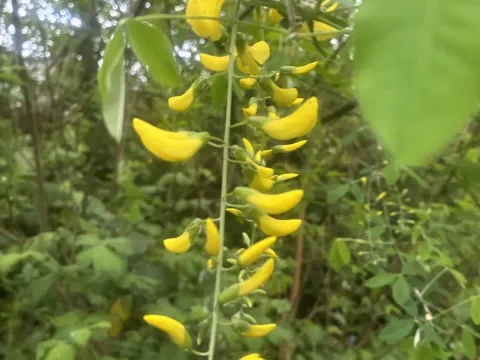
Laburnum is a genus of deciduous trees and shrubs within the Fabaceae family. Native to the mountain regions of Southern and Central Europe, these plants are renowned for their striking golden-yellow flowers and have been widely adapted as ornamental specimens.
What the section contains

Laburnum
Successful cultivation requires a location with full sun exposure to ensure optimal blooming. The plant thrives in well-drained, fertile soil and shows a distinct preference for alkaline or neutral soil types, while failing to perform in waterlogged environments.
In terms of climate, Laburnum is moderately hardy but requires protection from harsh, drying winds. During the initial establishment phase, regular watering is necessary, though mature plants demonstrate good tolerance to brief periods of drought.
Agricultural management includes strategic pruning to maintain shape and remove deadwood. It is critical to note that all parts of the plant are highly toxic due to the presence of cytisine, necessitating caution during pruning and landscaping activities.
Fertilization with a balanced NPK fertilizer in the spring helps support vigorous growth. Due to its toxicity, Laburnum is exclusively cultivated for landscape design and environmental aesthetics rather than agricultural food production.
Laburnum is frequently targeted by aphid infestations, which can cover leaves and blossoms in sticky secretions, leading to stunted growth.
Powdery mildew is a common fungal threat that manifests as a white, dusty coating on leaves, particularly during warm and humid weather conditions.
Twig blight and various leaf spot diseases can affect the overall health of the plant, often resulting in localized branch dieback or aesthetic damage.
Effective pest and disease control involves early detection and the use of targeted insecticides or fungicides according to the severity of the infestation.
Proper sanitation practices, such as removing affected foliage and ensuring adequate spacing between plants, significantly reduce the risk of recurring outbreaks.