
Waterer laburnum
Laburnum watereri
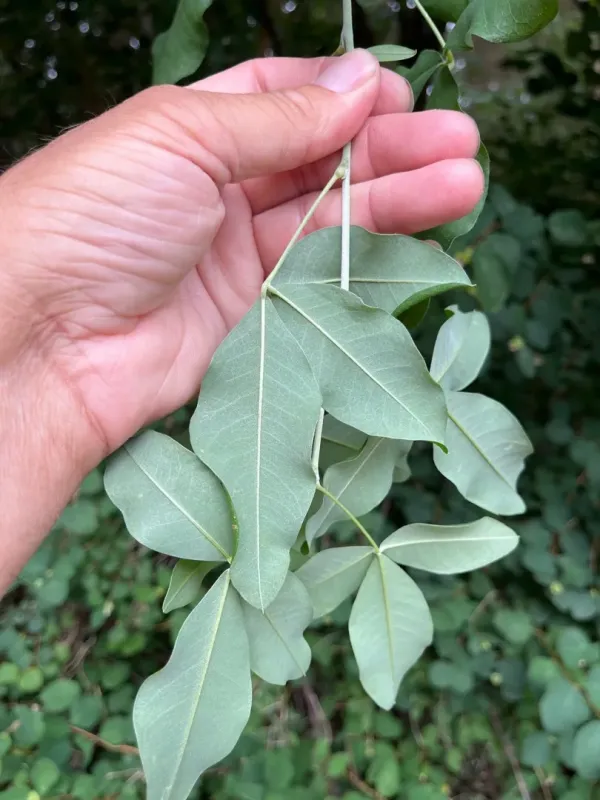
Description
Growing requirements
Waterer laburnum (Laburnum × watereri) is a prominent hybrid ornamental plant belonging to the Fabaceae family. It is widely recognized for its long, pendant racemes of yellow flowers that provide a stunning display during the late spring season.
This culture thrives in full sun locations but can tolerate partial shade in hotter climates. It is highly sensitive to soil quality and demands deep, fertile, and well-drained soil. It does not perform well in heavy, waterlogged clays which lead to root asphyxiation.
Climatic requirements focus on temperate regions where the plant can experience a dormant winter period. While hardy, the plant benefits from protection against harsh drying winds in early spring to safeguard the emerging buds.
Agricultural management requires moderate irrigation during established dry spells and annual application of balanced fertilizers. Pruning should be performed carefully immediately after flowering to maintain shape and encourage stronger branching for the next year.
Due to the presence of cytisine in all parts of the plant, caution is necessary. It is highly toxic if ingested, requiring careful placement in private gardens away from areas frequented by pets or children.
Main diseases and pests
Aphids are the most common pest observed on Waterer laburnum. They tend to infest the new, succulent growth and can be managed through natural predators or targeted horticultural soaps if the infestation is severe.
Powdery mildew represents a significant fungal threat, especially in seasons with high humidity and poor air circulation. Proper spacing during planting and thinning of branches are essential preventive measures.
Leaf spot infections can diminish the ornamental value of the tree. Effective management involves clearing away fallen leaves during autumn to remove overwintering spores and applying appropriate fungicides during the growing season.
Root rot is often a result of over-irrigation or planting in compacted substrates. Improving drainage and avoiding heavy watering schedules are critical to preventing this lethal condition.
Regular monitoring of the canopy and soil moisture levels is key to maintaining a healthy specimen. Proactive health management ensures longevity and consistent flowering performance.