
Oldham's tick-clover
Hylodesmum oldhamii
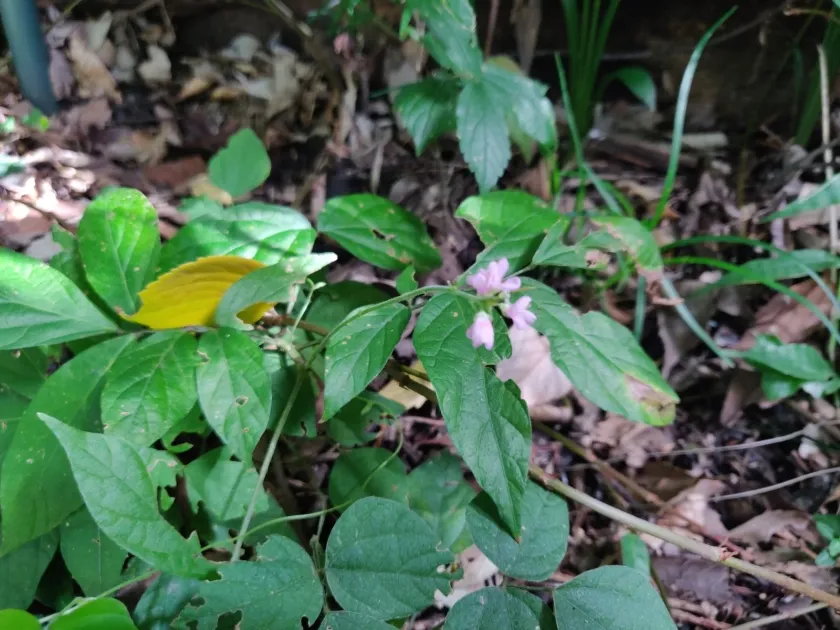
Description
Sowing dates
The sowing of Hylodesmum oldhamii should be scheduled for the spring months once the soil temperature consistently reaches 12–15 degrees Celsius for optimal germination.
Ideally, planting is performed in late April or early May, ensuring that the seeds take advantage of residual soil moisture and increasing day length.
The recommended seeding rate is approximately 10–14 kg per hectare, depending on the seed germination percentage and the specific method of soil preparation.
Seeds should be planted at a shallow depth of 2–3 cm, as deep sowing significantly inhibits the emergence of seedlings and reduces the uniformity of the crop.
Effective seedbed preparation, involving firming the soil to ensure good seed-to-soil contact, is a critical prerequisite for achieving a successful stand.
Growing requirements
Oldham's tick-clover is a perennial legume that belongs to the Fabaceae family, widely recognized for its capability to enrich soil nitrogen levels.
This crop thrives in well-drained, fertile loamy soils with a slightly acidic to neutral pH range, showing poor performance in waterlogged or heavy clay environments.
The plant requires moderate moisture throughout the growing season but is generally resilient to short-term drought once the root system is well-established.
Regarding light, it prefers full sun exposure to maximize biomass production, although it shows a degree of shade tolerance in mixed cropping systems.
Temperature adaptability is a key feature of this species, making it a viable candidate for various agricultural regions with temperate climate patterns.
Yield
Under favorable management practices, the yield of green biomass typically ranges between 15 to 22 tons per hectare, depending on local rainfall and soil nutrition.
The crop serves as an excellent source of high-quality forage, characterized by a favorable balance of proteins and fibers essential for livestock nutrition.
Seed production is highly influenced by the presence of pollinators, and intensive cultivation can yield roughly 300 to 450 kilograms of seeds per hectare.
Incorporating Hylodesmum oldhamii into crop rotation cycles provides substantial benefits for soil structure and organic matter accumulation over several seasons.
Economic returns are maximized when the crop is harvested at the peak of its vegetative state, ensuring the highest nutrient density for subsequent storage.
Main diseases and pests
The primary threats to this legume include root rot complexes caused by soil-borne pathogens, particularly when fields suffer from inadequate drainage or compaction.
Foliar diseases, such as various species of mildew, can appear during periods of high humidity and stagnant air, requiring preventative field management.
Pests like weevils can cause significant damage to early-stage crops by feeding on roots and stems, leading to potential thinning of the plant stand.
Effective pest control involves a combination of seed treatments and strategic crop rotation to break the life cycles of specific insect and fungal threats.
Regular field scouting is essential during the early stages of growth to identify and manage potential infestations before they escalate to yield-limiting levels.
Harvesting
For forage purposes, harvesting should commence during the late bud or early flowering stage to achieve the ideal ratio of protein content and total dry matter.
Mechanical harvesting equipment should be calibrated to preserve leaves, as they hold the highest concentrations of digestible nutrients compared to stems.
When producing seeds, farmers typically employ a two-stage process, cutting the plants when the pods turn color and letting them dry before threshing.
It is crucial to maintain a stubble height of at least 6–8 cm to facilitate rapid regrowth and recovery of the plant after the primary harvest is completed.
Post-harvest storage requires well-ventilated conditions and controlled moisture levels to ensure the longevity and viability of both forage and seed stocks.