
Naked-flowered tick trefoil
Hylodesmum nudiflorum
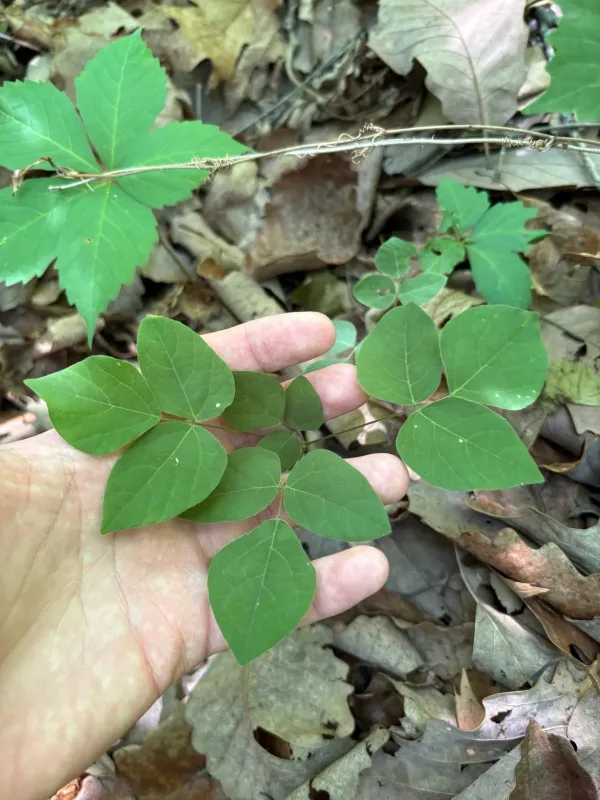
Description
Sowing dates
Hylodesmum nudiflorum is a perennial herb belonging to the Fabaceae family. This species is native to deciduous forests and has specific requirements for propagation from seed, which generally requires cold stratification to break dormancy.
The optimal sowing time is in early spring after the threat of frost has passed. Seeds should be sown in a well-draining, organic-rich medium at a shallow depth to ensure successful germination.
Consistency in moisture is essential during the early stages of development. The plant needs a stable environment to establish its root system, which is crucial for its long-term survival in the field.
Propagation can also be achieved through rhizome division. This method is preferred in controlled agricultural settings as it provides more uniform growth and faster plant establishment compared to seed.
Proper spacing is recommended to prevent overcrowding, as this species prefers a degree of airflow to maintain healthy foliage and prevent the development of opportunistic pathogens.
Growing requirements
The plant thrives in woodland-like conditions, preferring partial to full shade. It is particularly well-suited for environments with rich, humus-laden soil that retains moisture but does not remain waterlogged.
Soil pH should ideally be neutral or slightly acidic. The presence of organic matter, such as leaf mold or compost, is highly beneficial for the plant's overall growth and nutrient uptake.
Water requirements are moderate; however, the plant is sensitive to prolonged drought. Mulching is a recommended practice to mimic natural forest floor conditions and regulate soil temperature and moisture.
The species is hardy and well-adapted to temperate climates, showing significant resilience to seasonal fluctuations. It typically enters dormancy in the winter, requiring no special protection.
Agricultural management should focus on maintaining the natural microclimate of the soil. Avoid excessive mechanical disturbance of the soil, which can damage the delicate root systems of this perennial.
Main diseases and pests
Fungal diseases are the primary threat, especially in conditions of poor air circulation or excess humidity. Powdery mildew can affect leaves if the plants are situated in stagnant air environments.
Root rot is a major risk on heavy or poorly drained soils. Farmers must ensure proper site selection and drainage to mitigate these risks effectively throughout the growing season.
Insect pests, such as spider mites and aphids, may become problematic during dry, hot spells. Regular scouting is essential to identify infestations before they spread across the crop.
Mollusks, including slugs and snails, can graze on young, tender growth. Implementing integrated pest management strategies, such as physical barriers, helps in maintaining crop health.
Sanitation practices, such as removing dead or infected plant tissue at the end of the season, are vital for reducing the reservoir of pathogens and pests for the following year.