
Hylodesmum leptopus
Hylodesmum leptopus
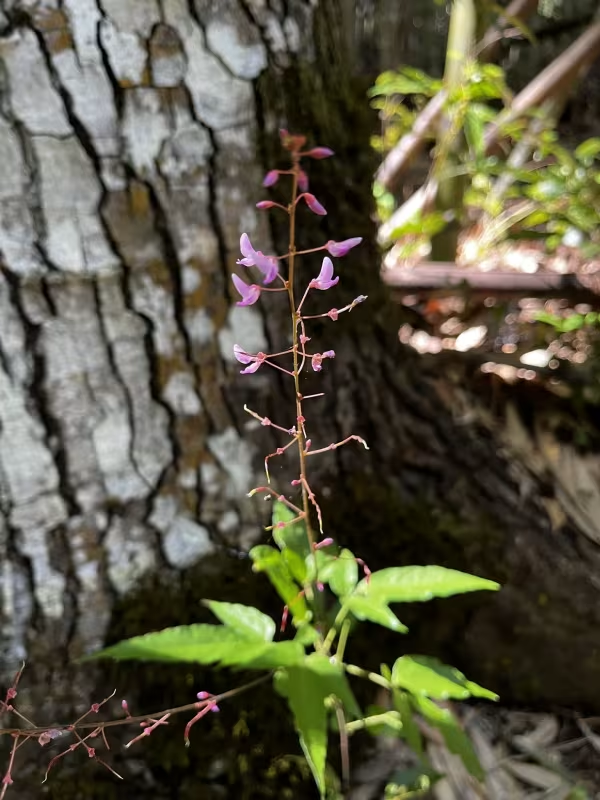
Description
Sowing dates
Sowing should be carried out in the spring when soil temperatures reach 12–15 degrees Celsius. The optimal timing is late spring, allowing the seeds to establish successfully before the onset of summer heat.
To ensure uniform germination, seeds require scarification, as their hard coats can hinder water absorption. The recommended planting depth is 1 to 2 centimeters, depending on soil texture.
Seeding rates depend on the cultivation method; however, standard row planting with 15–20 centimeter spacing is commonly used. This ensures optimal plant density and reduces competition from weeds.
Ensuring close seed-to-soil contact is critical, so post-sowing rolling is highly recommended to promote moisture uptake and vigorous germination of the embryo.
When incorporating this crop into pasture mixtures, seeding rates should be adjusted to account for competition from other grasses to prevent overcrowding and lodging.
Growing requirements
Hylodesmum leptopus is a member of the Fabaceae family, adapted to temperate and subtropical climates. It functions as a perennial herbaceous plant with significant agricultural potential.
The crop thrives in fertile, well-drained soils with a neutral or slightly acidic pH. It shows a high response to phosphorus and potassium fertilizers, which stimulate the development of a robust root system.
As a light-loving plant, it requires open, well-illuminated fields to achieve high productivity. Shading can negatively impact growth rates and overall biomass accumulation.
Water availability is critical during the period of intensive vegetative regrowth. Despite its relative drought tolerance, prolonged dry periods can significantly reduce the nutritional value of the harvest.
Stable temperatures are essential, avoiding late spring frosts that can damage young shoots. The optimal temperature range for active vegetation is between 20 and 28 degrees Celsius.
Yield
Green mass yield depends directly on management practices and mineral nutrition levels. Under favorable conditions, the crop produces a dense canopy suitable for high-quality hay production.
The nutritional profile, particularly its high protein content, makes it a valuable commodity for livestock operations. It serves as an excellent component for improving forage quality in grasslands.
The second harvest typically yields slightly less volume than the first, but often provides higher concentrations of essential nutrients, contributing to a balanced diet for livestock.
Peak productivity is generally reached in the second or third year after establishment, once the root systems are fully developed and the plants have adapted to the local environment.
Total dry matter recovery relies on timely fertilization and strictly following harvest windows to prevent the stems from becoming too coarse and lignified.
Main diseases and pests
Root rot is the primary threat to the crop, especially in conditions of excessive soil moisture. Implementing proper drainage is the most effective preventative measure against these pathogens.
The plants may be susceptible to specific leaf spot diseases that reduce photosynthetic efficiency. Regular field scouting is necessary to detect early symptoms and initiate management actions.
Nodule weevils are the most common pests, as they damage the root system and impair the plant's ability to fix atmospheric nitrogen effectively.
Aphid infestations can also occur, sucking sap from young leaves and stems. If populations reach economic thresholds, biological or chemical controls should be applied.
Crop rotation is a vital preventive strategy. It is strongly advised not to replant this legume on the same field for at least 4–5 years to manage soil-borne pathogens.
Harvesting
Hay harvesting should occur during the budding to early flowering phase, as this timing maximizes the concentration of proteins and essential nutrients in the plant tissue.
When harvesting green mass, gentle mowing techniques are necessary to avoid damaging the crown nodes, which is crucial for the plant's ability to regrow efficiently.
After mowing, the material should be left to wilt in the field until optimal moisture levels are reached. This process helps retain the leaf area, which contains the bulk of vitamins and proteins.
For seed production, harvesting should begin once the majority of the pods turn dark. Avoiding over-drying is essential to minimize shattering losses during mechanical collection.
Post-harvest processing involves cleaning the seeds of debris and drying them to a safe moisture content to ensure seed viability during long-term storage.