
Hammatolobium lotoides
Hammatolobium lotoides
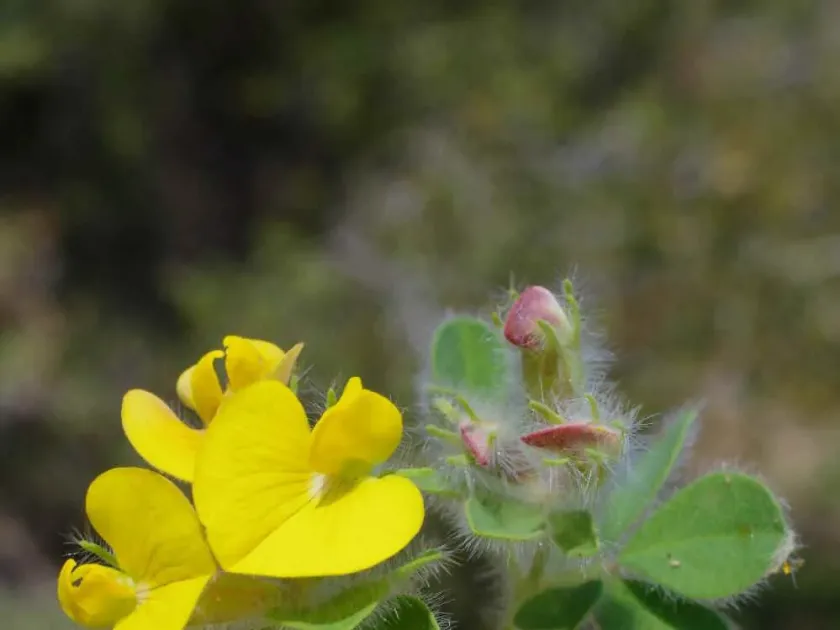
Description
Growing requirements
Hammatolobium lotoides is a herbaceous plant belonging to the Fabaceae family. It is a distinct species often found in Mediterranean and arid environments, known for its resilience and ability to thrive in challenging ecological niches.
The geographic range is primarily concentrated in the Mediterranean basin. The plant has adapted to survive in regions with intense sunlight, high heat, and periods of seasonal drought, making it a candidate for low-input agriculture.
Regarding soil requirements, the species prefers well-drained, porous soils such as sandy or rocky substrates. It does not tolerate waterlogging, which can easily lead to root asphyxiation and plant mortality.
Climatic conditions for optimal growth involve long, warm days and moderate rainfall during the early developmental stages. As a legume, it performs best when the symbiotic bacteria in its roots are well-established for nitrogen fixation.
Agrotechnical management is relatively simple, requiring minimal intervention once the stand is established. The plant is considered useful for land reclamation projects aimed at restoring degraded soils in semi-arid climates.
Main diseases and pests
Fungal diseases affecting the root system represent the primary threat to the stability of the crop. Excessive humidity during the vegetative phase acts as a catalyst for pathogens that rot the delicate roots of the plant.
Seed-feeding insects are the most common pests, as they consume the developing seeds within the pods. This predation can significantly impact the success of the harvest and the quality of the planting material for the next season.
Aphids can also colonize the succulent stems and leaves, extracting phloem sap and reducing the plant's overall vigor. In severe cases, this infestation leads to stunted growth and reduced seed yield.
Powdery mildew infections can appear on foliage under fluctuating humidity levels. This creates a covering that reduces photosynthetic activity and causes leaf drop, ultimately weakening the entire organism.
To mitigate these risks, farmers should prioritize site selection with excellent drainage and implement crop rotation strategies. Monitoring during the seed filling stage is critical to prevent significant losses to pest populations.