
Hairy Broom
Cytisus hirsutissimus
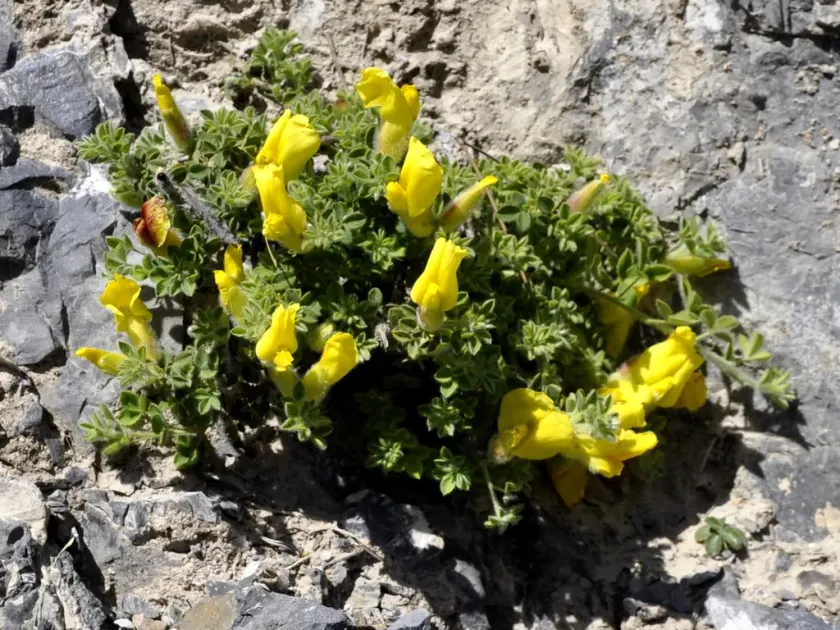
Description
Sowing dates
Sowing Hairy Broom seeds is best performed in early spring once soil temperatures reach a steady 10–12 degrees Celsius. Alternatively, autumn sowing in well-prepared soil can be effective to ensure early germination in the following season.
Seed treatment, including stratification or scarification, is highly recommended to break dormancy and increase overall germination rates. Rows should be spaced approximately 50 cm apart to allow adequate room for development and mechanized maintenance.
In nursery settings, seeds are typically sown in cell trays or containers, which helps in developing a robust root system before transplantation. This method significantly increases the success rate of young plants in the field environment.
Initial irrigation after sowing is essential to ensure consistent soil moisture for the germination process. Once established, the seedlings are naturally resilient, but moderate watering is beneficial during the first growing season.
As a member of the Fabaceae family, this species establishes symbiotic relationships with nitrogen-fixing bacteria. This biological feature makes it an excellent candidate for improving nitrogen levels in depleted agricultural soils.
Growing requirements
Hairy Broom thrives in full sun exposure, requiring open areas with high light intensity for optimal vegetative growth and flowering. Reduced sunlight often leads to weak stems and poor development of the plant's structural integrity.
The plant is highly adaptable to light-textured soils, including sandy and rocky substrates where other crops might struggle. Well-drained soils are crucial, as the plant is sensitive to prolonged waterlogging which can rot the root system.
Drought tolerance is a key characteristic of this species, making it suitable for soil stabilization on steep slopes and embankments. Its deep root system secures the soil against erosion while maintaining the plant's health during dry periods.
Climatic requirements focus on regions with moderate to high warmth during the growing season. While hardy, young specimens might need protection from severe frost in colder climates to prevent damage to tender new shoots.
Beyond its ecological role in erosion control, the plant is a valuable asset in honey production. Its flowers are highly attractive to pollinators, contributing to biodiversity within and around the agricultural landscape.
Main diseases and pests
Powdery mildew represents the primary fungal threat to this shrub, particularly in humid or stagnant air conditions. Proper spacing and airflow within the canopy are essential preventive measures to maintain plant health.
Insect pests, including aphids and leaf-eating beetles, may attack the plant during its active growth period. Monitoring and early intervention are necessary to prevent significant defoliation and impact on the plant's vigor.
Chemical control measures should prioritize systemic insecticides and fungicides that are environmentally responsible and targeted. Always apply these products following strict agricultural guidelines to avoid harming beneficial insects like bees.
Root rot is a common issue resulting from poor drainage or excessive soil moisture. Improving soil aeration through drainage solutions or adding organic matter can effectively mitigate this risk in vulnerable zones.
Weed management is a critical component of crop maintenance, as weeds compete for essential nutrients and sunlight. Keeping the area surrounding the shrubs clear is vital for reducing the prevalence of pests and diseases.