
Kentucky coffeetree
Gymnocladus dioicus (L.) K. Koch
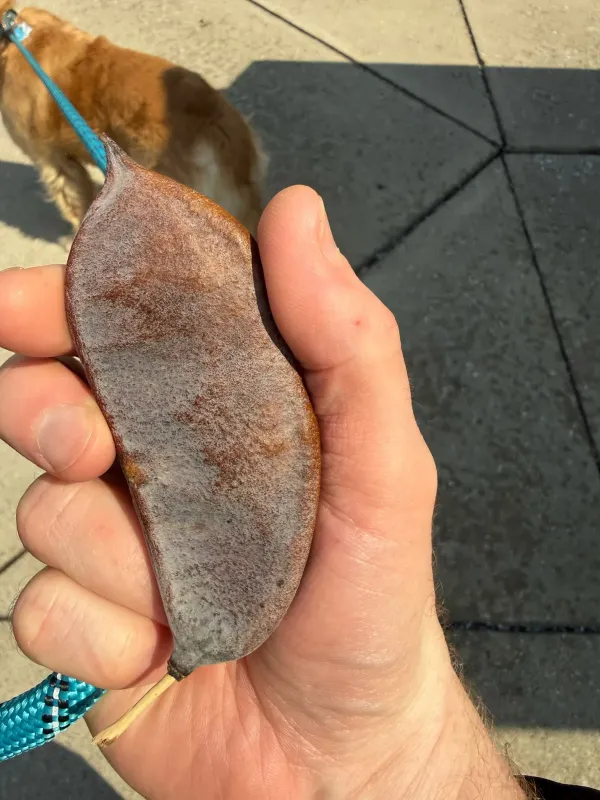
Description
Sowing dates
Propagation of the Kentucky coffeetree is primarily performed through seeds or root cuttings. The seeds possess a very hard, impermeable seed coat, which necessitates scarification or soaking in hot water to soften the outer layer and facilitate successful germination.
Sowing should ideally take place in late autumn to allow the seeds to undergo natural stratification in the soil throughout the winter. If planting in the spring, it is essential to store the seeds under cool, moist conditions for several months before sowing to break dormancy.
Seeds should be planted at a depth of approximately 3 to 5 centimeters in well-drained substrate. Providing adequate spacing between seedlings is critical in nursery environments to ensure proper airflow and light penetration for the developing root systems.
Vegetative propagation via root cuttings is most effective when performed in the early spring, coinciding with the beginning of the growth season. Utilizing hormone treatments can enhance rooting success, especially for younger cuttings placed in controlled greenhouse conditions.
As a member of the Fabaceae family, the Kentucky coffeetree maintains a symbiotic relationship with nitrogen-fixing bacteria. This biological feature helps the plant thrive in varied conditions and contributes to soil nitrogen enrichment over time.
Growing requirements
The Kentucky coffeetree performs best in deep, fertile, and moist loamy soils that possess excellent drainage. While it can adapt to a range of soil types, it is highly sensitive to waterlogged environments, which frequently lead to root rot and premature decline.
This species is highly photophilous and requires full sun exposure for optimal development. Planting in shaded areas often results in sparse foliage, weaker wood structure, and a significantly reduced growth rate compared to trees grown in direct sunlight.
The tree exhibits impressive cold hardiness and is well-suited to diverse climates across temperate zones. Mature specimens can survive extreme winter temperatures, although young saplings should be protected from harsh, desiccating winter winds for the first few years.
Ideally, soil pH should remain within the neutral to slightly acidic range. The tree is not well-suited for extremely alkaline or saline soils, which can induce nutrient deficiencies and inhibit the plant's ability to maintain healthy, dark green foliage.
Maintenance routines should include regular mulching around the base to conserve moisture and suppress competing weeds. While the tree is drought-tolerant once established, supplemental watering during intense heat waves is recommended for young, growing trees.
Yield
The primary use of the Kentucky coffeetree is in urban landscaping and large park environments, where it is valued for its unique architectural form and large, bipinnate leaves. It serves as a durable, low-maintenance ornamental species in many regions.
The timber produced by this tree is notably durable, hard, and resistant to decay. It has historically been utilized for high-quality furniture, cabinetry, and fence posts, although its slow growth rate makes large-scale commercial logging less common.
Historically, the seeds were roasted and used as a coffee substitute by early settlers, which is the origin of its common name. However, these seeds contain toxic alkaloids and must be prepared through proper heat processing to be rendered safe for consumption.
In terms of ecological value, the tree acts as a host and nectar source for various pollinators during its spring flowering period. Its ability to fix nitrogen contributes to the broader health of the ecosystem and improves soil nutrient profiles over time.
Modern usage continues to focus on its role as a specimen tree in botanical gardens. Its resilience to city pollution and its distinct, rugged appearance make it a favorite choice for architects designing sustainable and low-maintenance green spaces.
Main diseases and pests
The Kentucky coffeetree is generally remarkably resistant to most common tree diseases. While occasionally affected by powdery mildew during periods of high humidity and poor air circulation, such infections rarely cause serious or long-term damage.
Pests such as aphids or leaf-feeding beetles may occasionally be present, particularly on young saplings during periods of environmental stress. Standard integrated pest management practices, including physical removal or biological soaps, are typically sufficient.
The tree is prone to internal decay if branches are improperly pruned or if the bark is severely damaged by mechanical impact. Proper pruning techniques, such as making clean cuts and allowing for natural callus formation, are essential for long-term health.
Root rot remains the most significant threat, particularly in poorly drained sites or regions with excessive annual rainfall. Ensuring appropriate site selection and soil structure is the best preventative measure against soil-borne pathogens.
Although the tree is hardy, heavy ice storms can occasionally cause limb breakage due to the broad, spreading nature of its branches. Pruning to maintain a strong central leader during the early years of growth can help improve the structural integrity of the tree.