
Hairy broom
Cytisus hirsutus
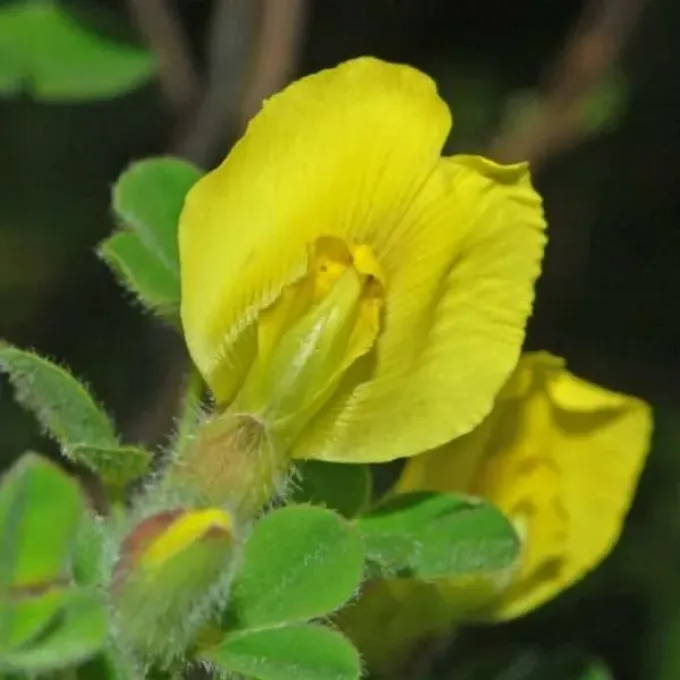
Description
Growing requirements
Hairy broom (Cytisus hirsutus) is a perennial shrub belonging to the Fabaceae family. It is native to Central and Southern Europe and is well-adapted to habitats with well-drained, nutrient-poor, or rocky soils, demonstrating high ecological plasticity.
This crop thrives in full sun and requires excellent drainage to prevent root diseases. It is highly drought-tolerant, making it a sustainable choice for landscaping and soil stabilization in arid or semi-arid climatic zones.
When cultivating this species, it is crucial to select a location that provides sufficient solar exposure throughout the day. Excessive shade often leads to leggy growth and significantly reduces the intensity of its yellow flowering display.
The agronomic management of Cytisus hirsutus is relatively straightforward due to its low nutrient requirements. It does not demand regular fertilization, and in fact, excessive nitrogen application can lead to a lush vegetative development at the expense of floral initiation.
The plant plays an important role in ecological agriculture by forming symbiotic associations with nitrogen-fixing bacteria. This biological process assists in the restoration of degraded soil structures and improves nitrogen levels in the upper soil horizons.
Main diseases and pests
The most common disease affecting the hairy broom is powdery mildew, which manifests as a white, dusty layer on the leaves, typically promoted by high humidity and poor airflow around the plant canopy.
In terms of pests, aphids are the primary concern during the spring growth phase. They cluster on new, tender shoots, which can stunt development if infestation levels remain uncontrolled.
Leaf-eating caterpillars and certain types of beetles can cause localized damage to the foliage, though usually, these do not reach levels that threaten the survival of mature, established shrubs.
Cultural control, such as pruning to ensure proper aeration of the central parts of the shrub, is the most effective preventative strategy against most fungal pathogens and pest harborages.
In cases where infestations exceed economic thresholds, standard horticultural pesticides or insecticidal soaps can be applied, provided that care is taken to protect beneficial pollinating insects.