
Guibourtia schliebenii
Guibourtia schliebenii
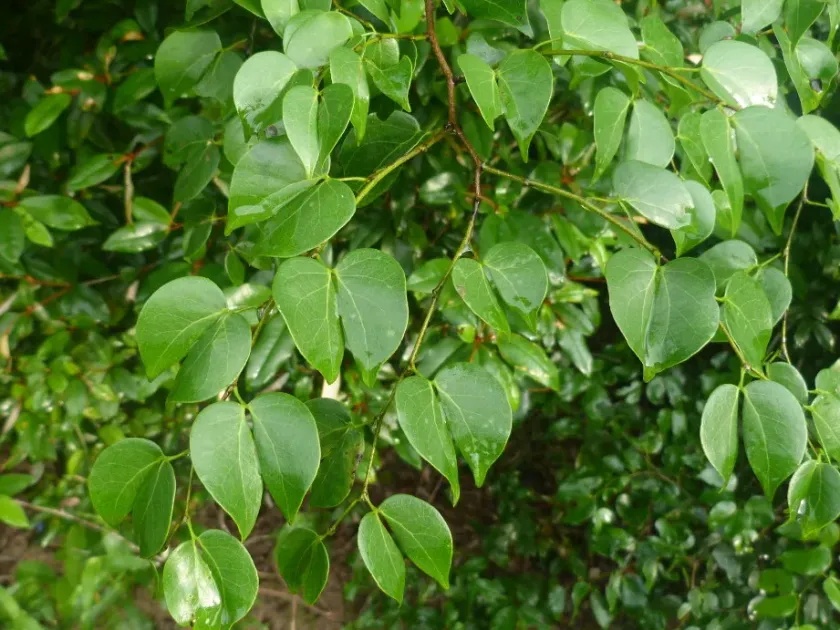
Description
Growing requirements
Guibourtia schliebenii is a rare tree species belonging to the Fabaceae family, specifically the Caesalpinioideae subfamily. It is native to specific habitats in Tanzania, where it occupies highly specialized ecological niches.
The growth of this species is heavily dependent on stable tropical climate conditions. It thrives in environments that provide consistent temperatures and specific soil compositions found in dry tropical woodlands.
Botanically, the species is distinguished by its characteristic foliage and resilient wood structure, which has evolved to withstand the challenges of its native, often harsh environmental conditions.
Requirements for the species include minimal soil disturbance and the presence of specific mycorrhizal fungi, which are essential for nutrient uptake and overall tree health in its primary habitat.
Conservation efforts are vital as the species displays slow growth rates, making natural populations vulnerable to even minor environmental shifts or habitat encroachment.
Harvesting
Economic exploitation of Guibourtia schliebenii is currently discouraged or strictly prohibited due to its vulnerable status, aimed at preventing the depletion of wild stands.
While the genus Guibourtia is generally associated with high-quality, dense timber used in fine furniture and cabinetry, this specific species is valued primarily for its ecological contribution.
Scientific harvesting of genetic material is limited to specialized research and reforestation programs that prioritize the long-term survival of the species over any short-term commercial gain.
- Seed collection for conservation banks.
- Monitoring of population health and growth rates.
- Documentation of ecological niche requirements.
Future management strategies focus on habitat restoration and protecting existing trees from pests and illegal logging, ensuring that the biological integrity of the species remains intact for future generations.