
Gray nicker
Guilandina bonduc
Description
Growing requirements
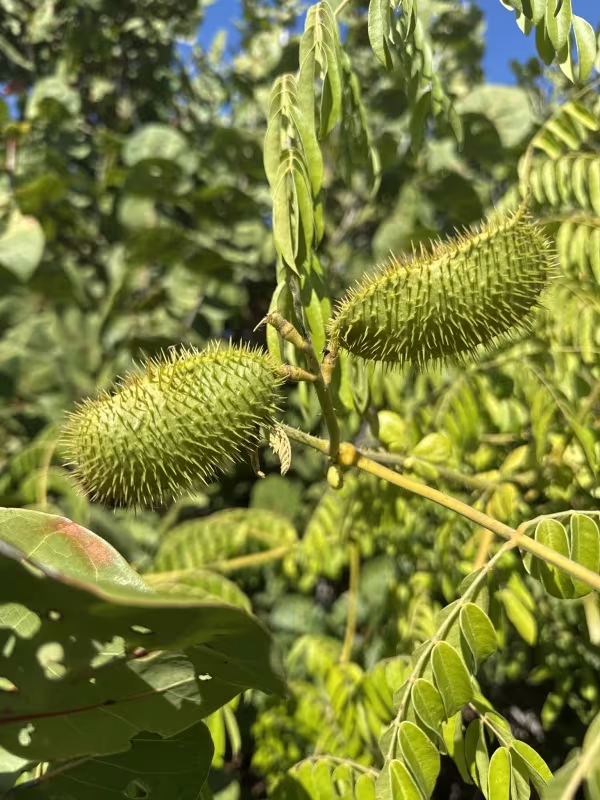
Guilandina bonduc, commonly known as gray nicker, is a climbing shrub within the Fabaceae family. It is recognized for its woody, prickly stems and robust, sprawling growth pattern.
Native to tropical regions globally, this plant thrives in coastal environments. It is highly adapted to sandy, well-draining soils and is remarkably tolerant of saline conditions.
The plant requires a tropical climate with high temperatures and consistent sunshine. It is not cold-hardy and will suffer significant damage if exposed to freezing conditions.
Agricultural success depends on providing adequate support structures for its climbing habit. Regular pruning is essential to maintain plant health and improve accessibility for harvesting.
Propagation is primarily done via seeds. Due to the extremely hard seed coat, pre-sowing treatments such as mechanical scarification or soaking are necessary to break dormancy.
Yield
The primary economic output consists of its seeds, which are traditionally valued for their medicinal properties. They are used in various cultures as an antipyretic and therapeutic agent.
Beyond medicine, the seeds are durable and aesthetic, making them popular in the jewelry industry for crafting beads and traditional items. This adds value to the crop output.
Oil extracted from the seeds is studied for its potential use in skincare formulations. Efficient processing requires industrial-grade machinery to handle the hard woody shells of the fruit.
Yields are generally steady once the plant reaches maturity. A healthy, well-maintained shrub can produce a significant volume of pods annually under optimal moisture levels.
Market demand remains niche, focused largely on herbal suppliers and artisanal craftsmen. Future potential lies in the pharmaceutical validation of its bioactive compounds.
Main diseases and pests
Guilandina bonduc maintains good resistance to many pests due to the secondary metabolites found throughout its plant tissues, which serve as natural defenses.
However, fungal pathogens can present a risk in humid environments, particularly if the planting area lacks proper airflow or is prone to waterlogging.
Insect pests such as leaf-eating caterpillars or spider mites can emerge during dry seasons, necessitating targeted pest management strategies to protect the foliage.
Root rot remains a primary concern for growers in poorly drained or heavy clay-based soils, as it directly impacts the vigor and lifespan of the plant.
Sanitation practices, including the removal of infected plant debris, are critical to prevent the buildup of soil-borne diseases that could jeopardize the harvest.