
Dendrolobium umbellatum
Dendrolobium umbellatum
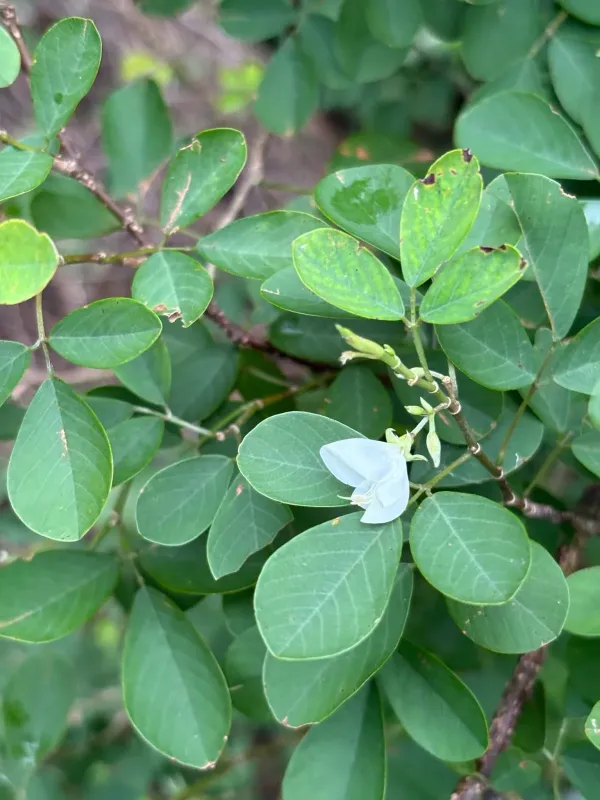
Description
Growing requirements
Dendrolobium umbellatum is a perennial woody shrub or small tree belonging to the Fabaceae family. It is recognized by its trifoliate leaves and unique umbel-like inflorescences that make it a distinct species in coastal tropical habitats.
The plant originates from the tropical regions of Southeast Asia, Australia, and the Pacific Islands. It typically thrives in sandy coastal soils and is highly valued for its natural salt tolerance and adaptability to wind-swept environments.
This crop requires full sun exposure and well-draining soil to achieve optimal growth. It is exceptionally well-suited for tropical climates where temperatures remain consistently warm throughout the year, as it lacks cold hardiness.
As a legume, it plays a vital role in soil health through nitrogen fixation. By converting atmospheric nitrogen into a form accessible to plants, it naturally improves soil fertility without the need for high synthetic fertilizer inputs.
In agricultural practice, it is primarily used for erosion control, agroforestry systems, and as a stabilizing element in landscaping. Its rapid biomass production makes it useful in integrated crop-livestock management systems.
Main diseases and pests
Common agricultural threats include defoliating insects that target the soft tissue of new leaves. Additionally, fungal pathogens can affect foliage in humid, stagnant conditions, requiring adequate spacing and air circulation for disease prevention.