
Dahlstedtia pinnata
Dahlstedtia pinnata
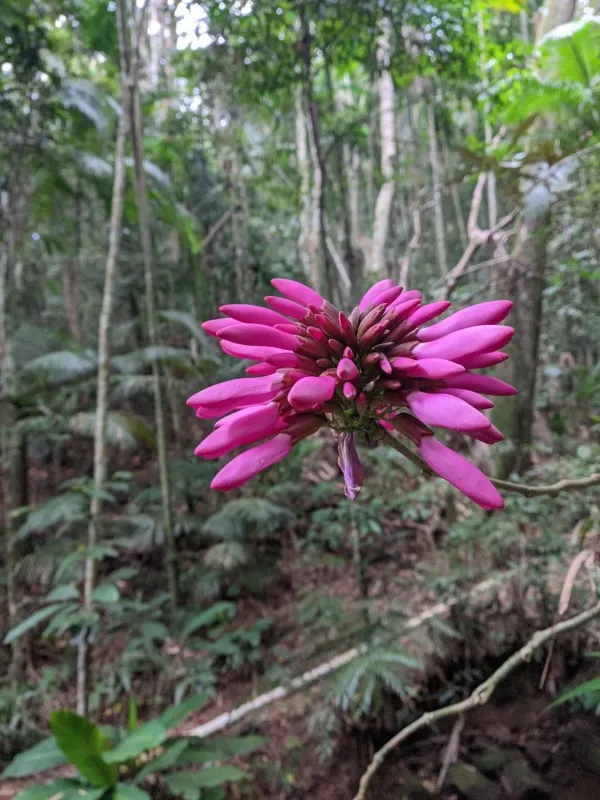
Description
Sowing dates
The planting of Dahlstedtia pinnata is typically initiated at the beginning of the rainy season. This timing provides the necessary soil moisture levels required for seed germination and the development of the primary root structure during the establishment phase.
Seeds often require scarification to overcome their hard seed coat, which significantly improves the rate and uniformity of germination. The recommended planting depth is approximately 2 to 3 centimeters, ensuring the seed is placed in loose, well-aerated soil.
Using nursery-grown seedlings aged three to four months can greatly increase the success rate of plantation establishment, especially in degraded or nutrient-depleted soil conditions. This method reduces the seedling's susceptibility to environmental stressors.
Planting density is adjusted based on specific management goals. For soil stabilization or reforestation, a wider spacing is used, whereas closer spacing is preferred for biomass production or cover cropping purposes.
Early-stage weed management is critical. Since the plant may have a slow initial growth rate, it is essential to minimize competition from fast-growing weeds to ensure the plant establishes itself successfully.
Growing requirements
Dahlstedtia pinnata, belonging to the Fabaceae family, is a versatile crop that thrives in well-drained soils. While it shows remarkable tolerance to acidic and nutrient-poor soils, it reaches optimal performance in environments with balanced moisture availability.
Full sunlight exposure is a primary requirement for this species. Adequate light levels are essential for driving the photosynthetic activity required for healthy growth and robust foliage production, which in turn supports its role in soil enrichment.
As a legume, its ability to fix atmospheric nitrogen via symbiotic bacteria is its most valuable agronomic trait. This biological process facilitates the restoration of soil nitrogen levels, making it a highly effective crop for sustainable agricultural systems.
The plant requires a tropical climate with consistently warm temperatures. It is highly sensitive to cold and freezing conditions, which can be fatal. Consequently, it is exclusively suited for regions without the threat of frost.
Soil pH levels ranging from 5.0 to 6.5 are ideal for this crop. It is important to ensure that the site is free from waterlogging, as the root system is sensitive to prolonged anaerobic conditions common in poorly drained soils.
Main diseases and pests
Dahlstedtia pinnata displays natural resilience to many common agricultural diseases due to the presence of specialized secondary metabolites in its plant tissues. However, overcrowding and poor air circulation can lead to localized fungal outbreaks.
Insects such as leaf-eating caterpillars and certain beetles pose the greatest risk to the foliage. Young saplings are particularly vulnerable and should be monitored closely during the first few months of growth to prevent significant defoliation.
Root rot, often associated with excessive soil moisture or compaction, remains the primary threat to plantation health. Proper land preparation, including the creation of adequate drainage channels, is the most effective preventative measure.
Integrated pest management strategies should prioritize biological controls and mechanical monitoring. Regular field inspections help identify early signs of infestation, allowing for targeted intervention before a wider spread occurs.
Chemical applications should be minimized to protect the beneficial soil microbiota associated with nitrogen fixation. Maintaining good plant vigor through proper site selection is the best defense against both pests and pathogens.