
Dahlstedtia pentaphylla
Dahlstedtia pentaphylla
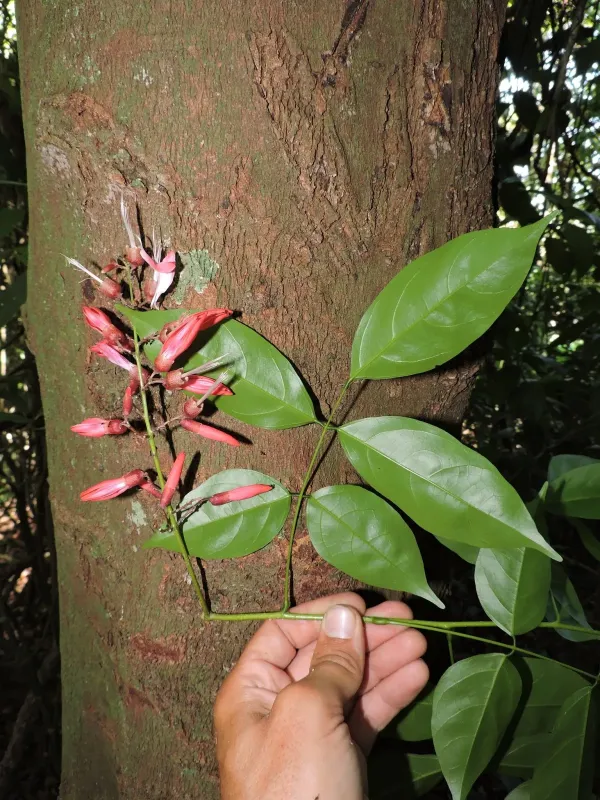
Description
Growing requirements
Dahlstedtia pentaphylla is a perennial plant belonging to the Fabaceae family. It is native to the tropical forests of South America, primarily inhabiting Brazil, where it thrives in warm, humid conditions.
The crop requires a strictly tropical climate with consistent temperatures and high rainfall throughout the year. It does not possess significant cold tolerance and must be grown in frost-free regions to survive and flourish.
Soil quality is paramount for this species; it prefers deep, fertile, and well-drained substrates. Ensuring proper aeration of the root zone is critical to prevent the physiological disorders typical of waterlogged environments.
Botanically, it exhibits characteristic leguminous features, including the ability to enter into symbiotic relationships with nitrogen-fixing bacteria, which supports its growth in varied tropical soil profiles.
The primary economic value of this plant lies in its roots, which are a concentrated source of rotenone. This compound is highly valued in modern horticulture as a natural, biodegradable alternative to synthetic pesticides.
Main diseases and pests
The most significant threat to Dahlstedtia pentaphylla is root rot, typically caused by fungal pathogens when the soil remains too wet for extended periods. Proper drainage management is essential for long-term survival.
Leaf-chewing insects present a constant challenge during the rapid growth phase. Integrated pest management strategies are often implemented to mitigate damage without compromising the plant's natural insecticidal properties.
Fungal infections of the foliage can occur in crowded nurseries where airflow is restricted. Thinning out plants and maintaining adequate spacing helps in reducing the incidence of such diseases.
Nematode infestations can be a concern in certain soil types, necessitating the use of disease-resistant planting stock or pre-planting soil solarization to ensure a healthy initial establishment.
Weed competition is particularly aggressive during the plant's early life cycle. Systematic weeding is required to ensure that young seedlings receive adequate nutrients and light to develop a robust root system.