
Copaifera martii
Copaifera martii Hayne
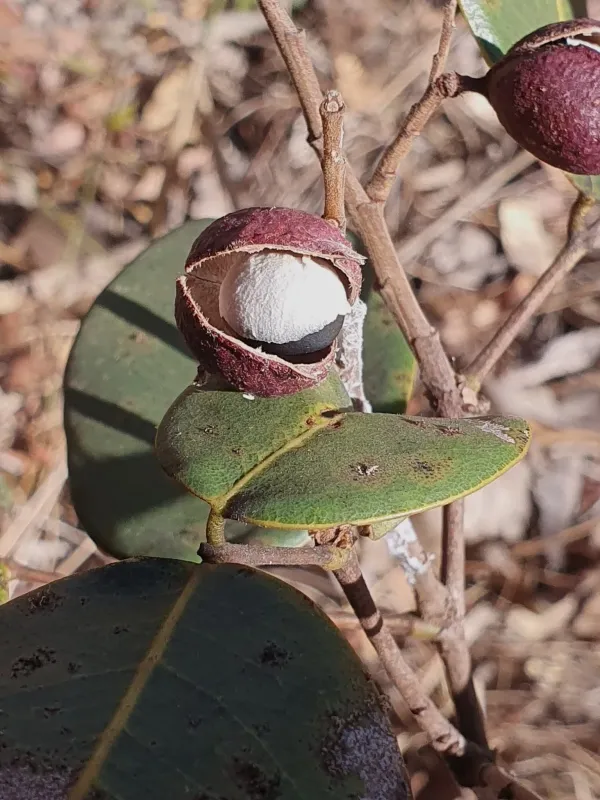
Description
Growing requirements
Copaifera martii is a tropical evergreen tree species belonging to the Fabaceae family, native to the humid regions of South America.
The plant requires a strictly tropical climate with consistent temperatures throughout the year to support its active growth cycles and metabolic functions.
Deep, fertile, and well-drained soils are essential for the healthy development of this tree, as waterlogging can cause fatal root diseases.
High relative humidity levels, typically maintained in its native rainforest habitats, are crucial for the tree's physiological stability.
While the tree can tolerate various light conditions, sufficient sunlight is required in plantation settings to ensure optimal biomass production and resin synthesis.
Yield
The primary agricultural output of Copaifera martii is copaiba balsam, a natural oleoresin extracted from the tree's trunk and branches.
The yield of this product is measured by the amount of resin collected per tree, which varies depending on the tree's maturity and health status.
The resin contains high-value phytochemicals, including sesquiterpenes, which are highly sought after by the pharmaceutical and fragrance industries.
Economic yield is maximized through scientific harvesting management that balances product extraction with the long-term biological health of the specimen.
Consistent monitoring of resin composition is vital for maintaining product quality and meeting the standards of international markets.
Main diseases and pests
Root rot pathogens pose the most significant threat to Copaifera martii plantations, particularly in poorly managed soils with high moisture content.
Various wood-boring insects can damage the vascular system of the tree, potentially reducing the yield of balsam and causing structural weaknesses.
Preventative care involves maintaining adequate spacing between trees to facilitate airflow, which significantly reduces the risk of fungal outbreaks.
Integrated pest management strategies are necessary to protect the trees without compromising the organic purity of the harvested balsam.
Regular inspection of the trunks is recommended to detect any signs of infestation at an early stage and apply appropriate corrective measures.
Harvesting
The harvesting process involves making carefully controlled incisions or borings into the tree trunk to allow the natural balsam to flow into collection vessels.
Specialized equipment is utilized during the harvest to ensure the minimum possible trauma to the bark and cambium layers of the tree.
Post-harvest processing involves filtering the raw balsam to remove debris and ensuring the product is stored under appropriate conditions to maintain stability.
Sustainable harvesting cycles are implemented to ensure that the tree maintains its vigor and continues to produce high-quality balsam for many years.
The efficiency of the collection process is fundamental to the profitability of Copaifera martii cultivation, emphasizing the importance of skilled labor.