
Copaifera guyanensis
Copaifera guyanensis Desf.
Description
Growing requirements
Copaifera guyanensis, belonging to the Fabaceae family, is a large evergreen tree native to the tropical rainforests of South America. It typically grows in the basins of the Amazon and Orinoco rivers.
The species thrives in a hot, humid equatorial climate. It requires stable temperatures, generally between +24 °C and +28 °C, and year-round high precipitation levels to maintain optimal metabolic activity.
Soil conditions are critical for its development; the tree prefers deep, well-drained alluvial soils. It is highly sensitive to waterlogging, which can lead to rapid root degradation, making proper field drainage essential.
Copaifera guyanensis is known for its relatively slow growth rate. This slow maturation necessitates long-term planning for any sustainable forest management or plantation project involving this specific tree species.
Due to its ecological requirements, the tree is primarily managed within its natural forest environment rather than intensive, high-input agricultural systems, ensuring the sustainability of the regional ecosystem.
Yield
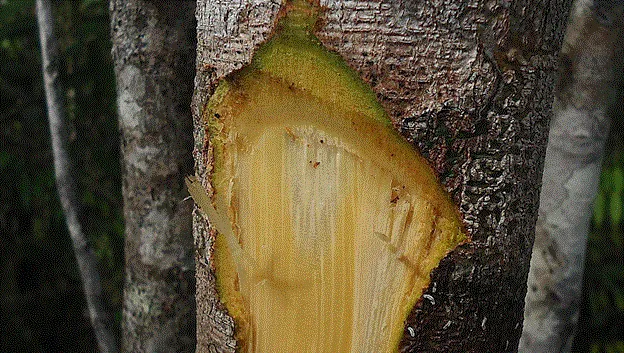
The primary economic output of Copaifera guyanensis is the copaiba balsam, a natural resin tapped from the trunk. This substance is prized for its therapeutic properties, including anti-inflammatory and antiseptic effects.
In the pharmaceutical and cosmetic industries, the balsam is used extensively. It is also a valuable ingredient in perfumery, providing a deep, woody base note that enhances the longevity of fragrance compositions.
The timber of the tree is characterized by high density and natural rot resistance. While the wood has commercial value, sustainable harvest practices focus on extracting the resin without cutting the tree down.
Yield efficiency is directly linked to the technical precision of the tapping process. Experienced harvesting minimizes structural damage to the trunk, allowing the tree to produce resin for many consecutive years.
Secondary uses of the plant, including traditional medicinal applications of leaves and fruits, contribute to the overall economic value of the tree within local tropical agriculture and forest economies.
Main diseases and pests
Wood-boring insects represent a significant threat, especially when tapping sites are not properly sealed after resin extraction. These pests can cause structural weakness and invite secondary pathogens.
Fungal infections of the bark and vascular system are common in the high-humidity environments where these trees grow. Maintaining sanitary standards during all maintenance work is crucial for long-term health.
Deforestation and habitat loss pose severe risks to wild populations of Copaifera guyanensis. Unregulated exploitation can lead to a decline in tree health and reduced future productivity of the forest stand.
Epiphytic plants and parasitic vines can compete for resources and weaken the tree canopy. Regular monitoring and silvicultural management are necessary to ensure the trees remain vigorous and productive.
Environmental stressors related to climate change, particularly shifts in precipitation cycles, may impact the tree's natural resilience, making it more susceptible to common tropical forest pests and diseases.