
Collaea speciosa
Collaea speciosa
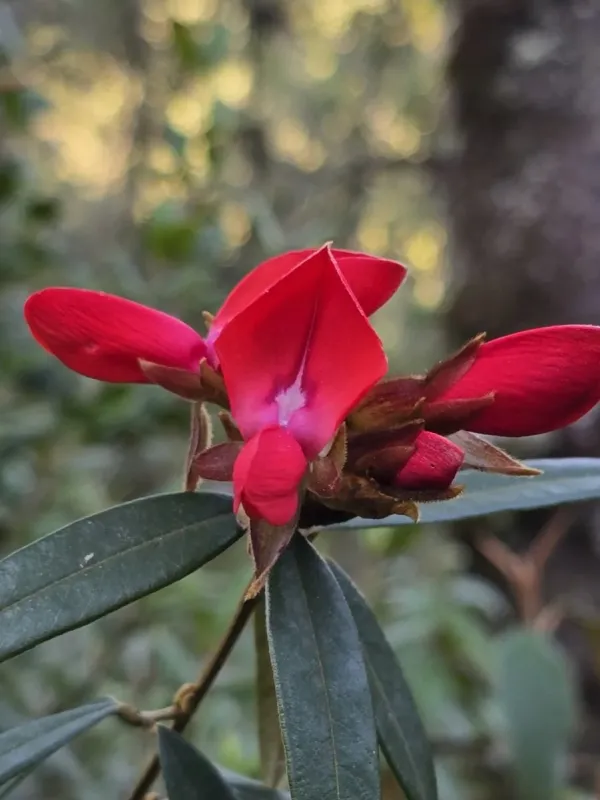
Description
Sowing dates
Sowing Collaea speciosa is best performed in the spring season when soil temperatures have consistently reached a level conducive to germination.
Due to the hard seed coat typical of many legumes, scarification is highly recommended to improve water uptake and uniformity of emergence.
The seeds should be planted at a moderate depth, ensuring they are placed in moist soil contact to prevent premature drying during the critical germination phase.
Spacing between plants must be determined by the intended final density, allowing sufficient airflow to minimize the risk of pathogen buildup in dense canopies.
Applying rhizobial inoculants during planting can significantly boost the plant's nitrogen-fixing capabilities, leading to more vigorous early growth.
Growing requirements
Collaea speciosa is a member of the Fabaceae family, adapted to regions with mild climates and adequate sunlight exposure throughout the growing period.
It thrives best in well-draining soils that prevent waterlogging, as the root system is highly sensitive to hypoxic conditions in saturated earth.
The plant demonstrates a preference for soils with a near-neutral pH, though it displays some adaptability to varying soil types if nutrient levels are sufficient.
Regular irrigation is essential during the plant's peak growth phases, particularly from flower initiation through the development of the pods.
Temperature management is crucial; while the plant is robust, it does not tolerate extreme frost, which can damage succulent stem tissues.
Main diseases and pests
Common agricultural pests such as aphids and leaf-eating beetles can pose significant challenges to the health and vitality of the crop.
Fungal pathogens, particularly those causing root rots and foliar spots, are most prevalent in fields with poor drainage or high ambient humidity.
Effective management strategies include crop rotation, which breaks the life cycle of soil-borne diseases that specifically target leguminous crops.
Field scouting for early signs of infestation allows for targeted interventions, reducing the need for broad-spectrum chemical applications.
Maintaining balanced soil nutrition helps the plant withstand moderate pest pressure, as strong and healthy individuals are less susceptible to secondary infections.
Harvesting
Harvesting should be timed to coincide with the physiological maturity of the pods, often indicated by a change in texture and color of the outer casing.
Manual or mechanical harvesting must be done with care to prevent excessive pod shattering, which is a common trait in this genus.
Immediate post-harvest cleaning and drying are critical steps to maintain seed quality and prevent spoilage in storage conditions.
Proper drying involves reducing moisture content to safe levels, ensuring that the stored material remains viable and free from mycotoxin contamination.
If managed as a green manure crop, incorporating the biomass before the seeds fully harden ensures the maximum return of nutrients to the soil profile.