
Cojoba arborea
Cojoba arborea
Description
Growing requirements
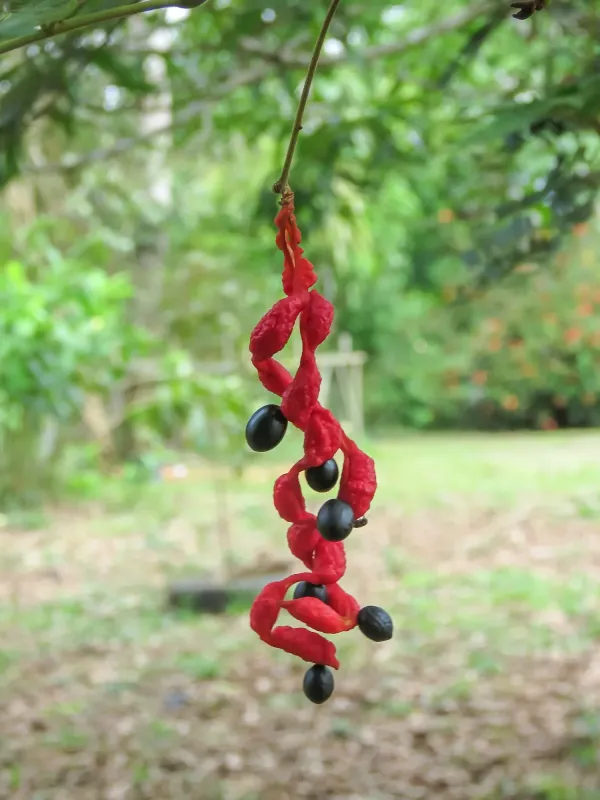
Cojoba arborea is a significant tree species belonging to the Fabaceae family. Known for its distinct botanical structure, it typically features bipinnate leaves and clusters of small, white flowers that eventually develop into characteristic coiled seed pods, which are a hallmark of the genus.
The species is native to the tropical regions of Central and South America and the Caribbean. It thrives in humid tropical environments, often inhabiting lowland forests and riparian zones where moisture levels remain consistently high throughout the year, supporting vigorous growth and development.
Regarding soil requirements, Cojoba arborea prefers well-drained loamy soils but exhibits a notable adaptability to various soil types, including limestone-derived substrates. As a leguminous tree, it improves soil fertility by fixing nitrogen, making it a valuable candidate for reforestation and agroforestry initiatives.
Cultivation practices involve selecting sites that provide sufficient light, as the tree responds well to full sun exposure once it reaches maturity. Propagation is generally carried out through seeds, which should be sown in well-prepared nursery beds before being transplanted into the final location.
Economically, this species is highly regarded for its valuable timber. The wood is characterized by its durability, strength, and attractive appearance, finding extensive use in high-end furniture manufacturing, fine cabinetry, and construction, where it serves as a sustainable alternative to slower-growing hardwoods.