
Chorizema cordatum
Chorizema cordatum
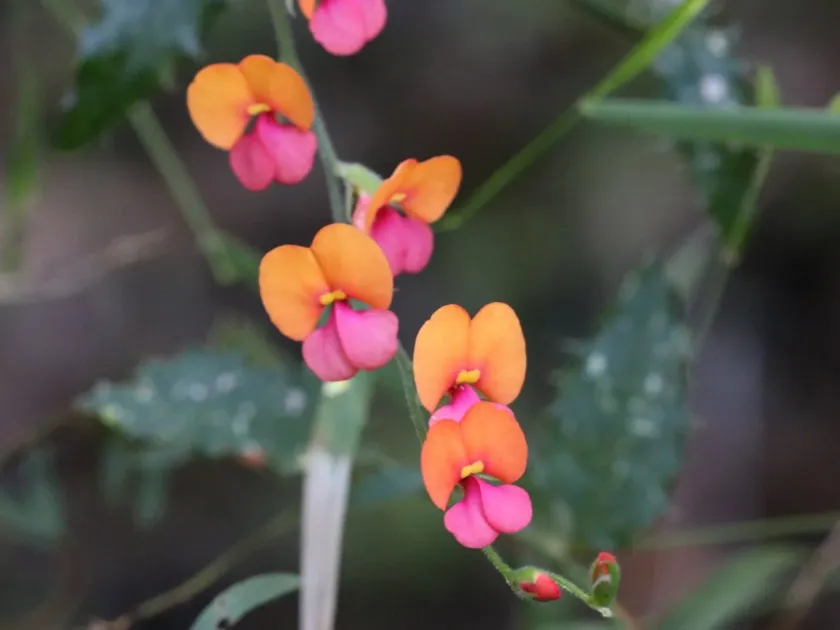
Description
Sowing dates
Chorizema cordatum is primarily propagated through seeds or stem cuttings. For seed sowing, the ideal time is late winter to early spring to ensure the seedlings are well-established before the heat of summer.
Seeds should be soaked in warm water for several hours prior to planting to soften the seed coat. This step significantly improves the germination rate for this particular species.
A loose, well-draining seed-starting mix is essential. The containers should be placed in a warm environment, ideally keeping temperatures between 18 and 22 degrees Celsius for optimal growth.
Seedlings require consistent moisture but must not be waterlogged. Using a transparent cover helps maintain humidity, though daily airing is necessary to prevent damping-off diseases.
Once the seedlings develop two sets of true leaves, they can be transplanted into individual pots. Great care should be taken to minimize root disturbance during this process.
Growing requirements
This species belongs to the Fabaceae family and originates from the woodlands of Western Australia. It is a prized ornamental plant known for its striking red and orange pea-like flowers.
Chorizema cordatum thrives in bright, filtered light. While it loves sunlight, it should be protected from harsh, direct afternoon rays, which can cause leaf scorching in containerized plants.
The soil must be slightly acidic and rich in organic matter. Good drainage is non-negotiable, as the roots are highly prone to rot if the medium remains saturated for too long.
Watering should be done with care, using soft or rainwater when the top inch of the soil feels dry. During the winter dormancy period, watering should be reduced to prevent cold-stress.
The plant appreciates high humidity levels, especially when grown indoors. Regular misting or placing the pot on a tray with pebbles and water can help maintain an appropriate microclimate.
Main diseases and pests
The most common pests affecting this plant are spider mites and scale insects. These thrive in dry, stagnant air conditions and can quickly weaken the plant if left unchecked.
Root rot is the most serious threat, usually caused by overwatering or poor drainage systems. Once the roots are compromised, recovery is very difficult for the plant.
Powdery mildew can occur if the plant is kept in an environment with poor air circulation or high humidity coupled with temperature fluctuations.
Pest management involves using appropriate insecticides or neem oil treatments. It is important to treat the undersides of the leaves, as pests often congregate there.
Regular monitoring and physical removal of damaged or infected foliage are essential parts of integrated pest management for this culture.