
Balizia pedicellaris
Balizia pedicellaris
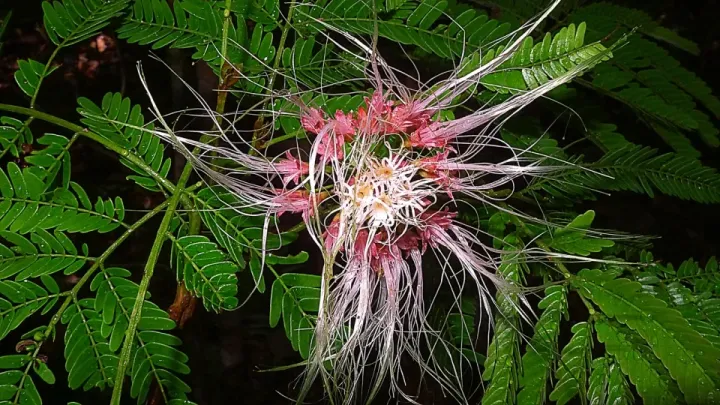
Description
Growing requirements
Balizia pedicellaris is a prominent tree species belonging to the Fabaceae family, native to the tropical forests of Central and South America. It is widely recognized for its robust growth and ecological significance within the rainforest ecosystem.
The tree thrives in tropical climates characterized by high annual precipitation and consistent temperatures. It does not tolerate prolonged frost or extreme cold, making it exclusively suitable for equatorial or humid tropical zones.
Regarding soil requirements, this species prefers deep, well-draining soils rich in organic matter. While it is adaptable to various conditions, excellent drainage is crucial to prevent root rot and ensure the tree reaches its full height potential.
Agronomic management involves regular maintenance during the early stages of development. Practitioners focus on ensuring the saplings have sufficient space and light access, which is vital for the formation of a straight, high-quality trunk.
As a legume, Balizia pedicellaris is valuable for its nitrogen-fixing capabilities, which enhance soil fertility in agroforestry systems. It is often integrated into mixed-species plantations to support the health of surrounding vegetation.
Main diseases and pests
Pests such as leaf-eating insects pose a common threat to Balizia pedicellaris, particularly in younger trees where foliage density is high. Frequent scouting is necessary to prevent significant defoliation that could stunt growth.
Fungal pathogens affecting the root system can develop in waterlogged environments. Ensuring optimal planting sites with proper topography and drainage is the primary defense strategy against soil-borne fungal diseases.
Stem-boring insects represent a major concern as they directly degrade the quality of the harvested wood. Integrated pest management programs, often involving pheromone traps and biological controls, are used to mitigate these risks.
Small mammals and rodents may cause mechanical damage to the bark of young saplings, creating entry points for secondary infections. Physical barriers or protective sleeves are often employed in commercial nursery setups.
Proactive monitoring is essential to identify early symptoms of disease or pest infestation. By maintaining a healthy plantation environment and encouraging biodiversity, growers can minimize the need for synthetic chemical treatments.