
Apuleia leiocarpa
Apuleia leiocarpa
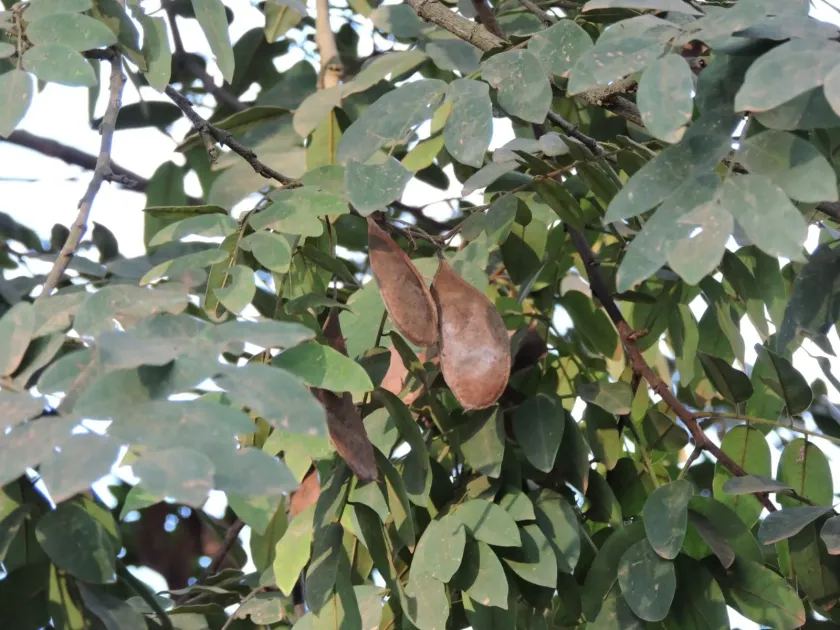
Description
Growing requirements
Apuleia leiocarpa, commonly known in the timber trade as Grapia, is a significant hardwood tree species belonging to the Fabaceae family. Native to the tropical forests of South America, it stands out for its structural density and resilience in diverse forest environments.
This species naturally thrives in regions characterized by warm, humid climates and fertile soil conditions. It is frequently found in primary and secondary forests across Brazil, Argentina, and Paraguay, where it plays a critical role in biodiversity and ecosystem stability.
From an agricultural standpoint, the cultivation of Apuleia leiocarpa requires deep, well-drained soils. While it exhibits a certain degree of tolerance to varied soil types, optimal timber production is achieved when the trees are planted in areas with sufficient nutrient content and moderate rainfall.
Management practices for this culture involve careful spacing to ensure that individual trees have enough room to develop robust crowns. Proper thinning and weed management during the establishment phase are essential to optimize growth rates and ensure the quality of the harvested logs.
The economic value of this tree is derived primarily from its timber. Grapia wood is highly sought after for its durability, resistance to decay, and distinctive golden-brown appearance. It is extensively used in high-quality furniture, decking, flooring, and various heavy construction applications.