
Aphyllodium biarticulatum
Aphyllodium biarticulatum
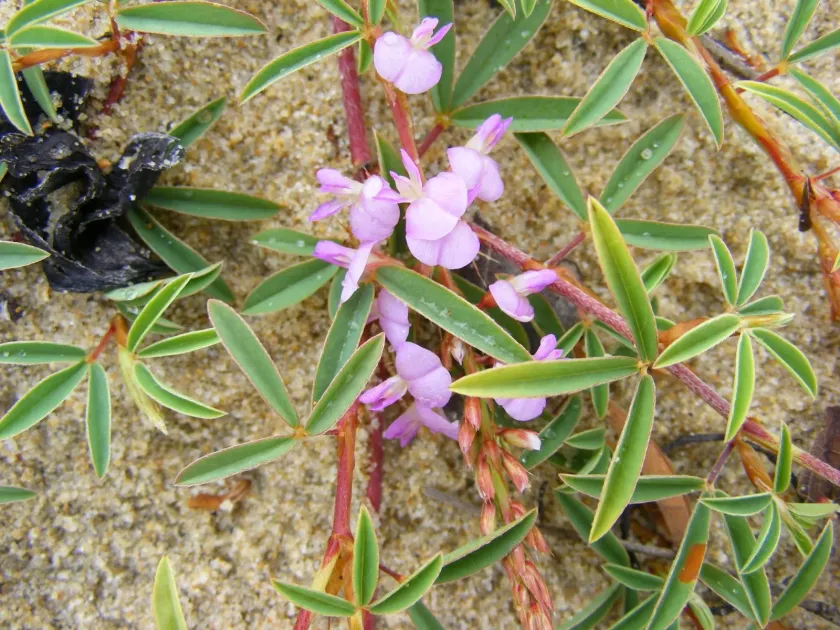
Description
Growing requirements
Aphyllodium biarticulatum is a perennial herbaceous plant belonging to the Fabaceae family. It is recognized for its significant role in nitrogen fixation and its resilience in various tropical ecosystems across Asia and Australia.
The plant thrives in well-drained sandy or loamy soils. It is highly adapted to regions with distinct wet and dry seasons, demonstrating a robust root system capable of accessing water during periodic drought stress.
Optimal growth is achieved in temperatures ranging from 25°C to 30°C. Sunlight is a critical factor; therefore, the crop should be planted in areas with minimal canopy cover to ensure high photosynthetic activity and biomass production.
Agronomic management involves minimal soil tillage to preserve the natural microbial environment beneficial for root nodule development. Periodic soil testing is recommended to ensure neutral pH levels, which optimize plant nutrient uptake.
The primary economic use of this plant is as a high-protein forage crop for livestock. Additionally, it is frequently employed as a cover crop to prevent erosion and improve the nitrogen profile of degraded soils.
Main diseases and pests
Pathological risks include various fungal root rots, which often manifest in waterlogged soil conditions. Proper irrigation management and drainage are essential to mitigate the risk of these infections.
Insect pests such as leaf-eating caterpillars and certain species of seed-boring weevils can cause significant damage to foliage and potential seed yield. Biological control strategies are preferred to maintain the ecological balance in tropical farm settings.