
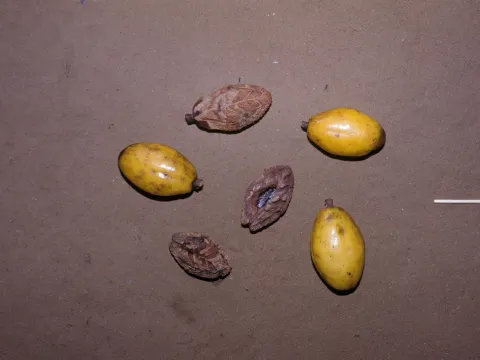
Glycydendron
Glycydendron
Glycydendron is a genus of evergreen tropical trees belonging to the Euphorbiaceae family. The most prominent species, Glycydendron amazonicum, is native to the Amazon and Orinoco river basins, where it thrives in dense, humid tropical forest environments.
What the section contains
Glycydendron
There are no standardized sowing seasons for this crop in conventional agriculture, as it is primarily managed within agroforestry systems or experimental nurseries. Seeds are typically sown at the onset of the rainy season when soil moisture levels are optimal for germination.
The seeds have a short shelf life and lose viability quickly; therefore, they must be sown shortly after harvesting. Pre-sowing treatments, such as scarification or soaking in warm water, are often recommended to improve the uniformity and speed of germination in nursery settings.
Seedlings are typically raised in containers filled with well-draining, nutrient-rich substrate until they reach a height of 30–40 centimeters. This nursery phase is crucial for developing a robust root system before the plants are transferred to their permanent site in the forest or plantation.
When planting, it is essential to consider the shade requirements of young Glycydendron specimens. They perform best in areas where they are protected from direct, intense tropical sunlight during their initial growth years, typically under a partial canopy provided by existing trees.
Successful cultivation of Glycydendron requires a hot, tropical climate with annual average temperatures consistently between 22 and 25 degrees Celsius. The plant is highly sensitive to cold, and even minor temperature drops or frost can cause severe damage or death.
The ideal soil for Glycydendron is deep, fertile, and rich in organic matter. Soils typical of river valleys, such as well-aerated alluvial soils with a slightly acidic to neutral pH, are preferred to ensure healthy root development and efficient nutrient uptake.
Moisture management is a critical factor in the plant's survival. While Glycydendron requires consistent soil moisture, it cannot tolerate waterlogged conditions that lead to root rot. Consequently, selecting sites with excellent natural drainage or installing artificial drainage is mandatory.
Agronomic practices for Glycydendron emphasize the use of organic mulch around the base of the trees. This helps to conserve soil moisture, regulate soil temperature, and suppress competitive weed growth, creating a microenvironment similar to the natural tropical understory.
Fertilization should be handled with care, prioritizing organic amendments over synthetic fertilizers. Regular applications of compost or well-rotted manure enhance soil structure and support the beneficial microbial activity necessary for the plant's long-term health and productivity.
The primary agricultural interest in Glycydendron lies in its fleshy, edible fruits, which are highly prized by local populations in its native range. These fruits are valued for their distinctive flavor and are an important source of nutrition in traditional diets.
Yield capacity per tree varies significantly based on environmental conditions, particularly crown exposure to sunlight and nutrient availability. In natural forest populations, fruit production can be inconsistent, making managed cultivation necessary to improve total output.
While the focus is on fruit, the tree also provides secondary resources, including latex and timber. However, the economic potential of the fruit remains the most significant driver for integrating Glycydendron into modern agroforestry and sustainable land-use projects.
To optimize fruit yield, specialists recommend regular pruning to shape the canopy. Proper pruning improves airflow, increases light penetration to the inner branches, and makes the harvesting process more efficient by keeping the tree at a manageable height.
Ongoing research aims to identify and propagate higher-yielding genotypes of Glycydendron. The goal is to develop improved cultivars that enter the fruit-bearing phase earlier and demonstrate more reliable, stable annual yields for small-scale and commercial farmers.
The high humidity of the tropical environment poses a challenge for Glycydendron, as it makes the trees susceptible to various fungal pathogens. Leaf spots and root diseases can significantly reduce the tree's photosynthetic capacity if not managed effectively.
Insect pests are another major threat, particularly various species of weevils and specialized caterpillars that feed on tender young foliage and developing fruits. These pests can cause significant losses if their populations are not kept in check by natural or applied measures.
Integrated pest management is recommended, focusing on the use of biological control agents and maintaining optimal plant spacing to promote good air circulation. Improved ventilation within the plantation significantly reduces the risk of fungal proliferation.
Chemical pesticides should be avoided, especially in or near diverse tropical ecosystems, to protect local pollinators and beneficial insects. Instead, using biopesticides and maintaining high biodiversity within the plantation can help naturally regulate pest populations.
Regular monitoring of the plantation is essential, particularly during the transition periods between the wet and dry seasons. Early detection of signs of stress or infestation allows for targeted intervention, helping to maintain the health and integrity of the overall stand.
Harvesting Glycydendron fruit requires careful timing, as it should be picked only when fully ripe. Maturity is indicated by subtle changes in the skin color and the development of a distinct, characteristic aroma, which signals peak readiness for consumption.
Manual harvesting is the standard method, often utilizing ladders or specialized long-reach harvesting tools. Because the fruits are soft and easily bruised, they must be handled with extreme care during picking and transport to prevent degradation of quality.
Post-harvest management involves rapid sorting to remove damaged fruits and storing the healthy ones in cool, well-ventilated areas. Due to their limited shelf life, immediate marketing or local processing is required to preserve the quality of the fresh produce.
In many regions, surplus harvest is processed into pastes or dried products, extending the availability of the fruit beyond the short harvest window. Such processing techniques add value to the crop and reduce post-harvest losses in remote forest communities.
Given the extended fruit-ripening phase, plantation management usually requires multiple harvest passes to ensure that each fruit is collected at its ideal stage of maturity. This careful approach maximizes the total high-quality yield throughout the entire season.