
Endospermum peltatum
Endospermum peltatum Merr.
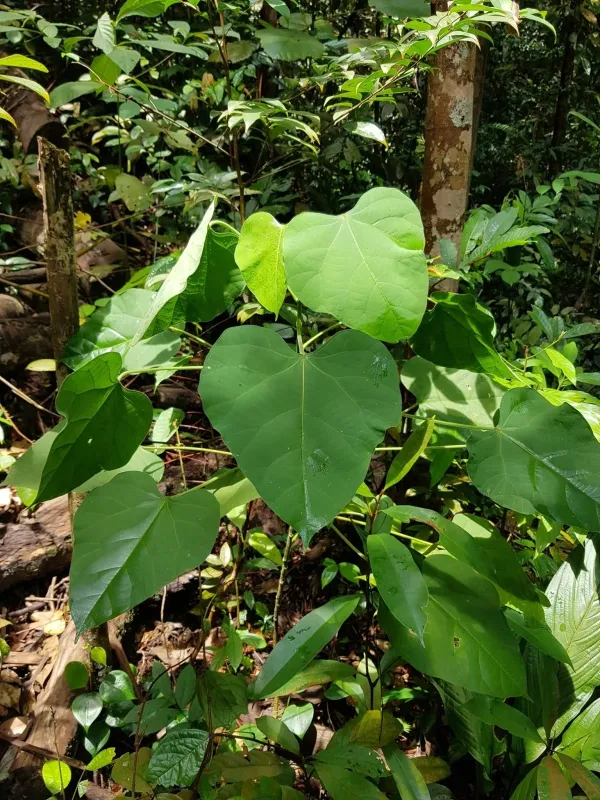
Description
Sowing dates
Propagation of Endospermum peltatum is primarily achieved through seeds, which are collected from mature, healthy mother trees.
The seeds must be extracted from the fruit pulp and cleaned thoroughly to prevent fungal colonization during the germination process.
Nursery beds should be filled with a well-draining, nutrient-rich potting medium to support vigorous early growth of the seedlings.
Sowing depth should be shallow, and consistent moisture must be maintained to simulate the humid environment of its native rainforest habitat.
Seedlings are typically transplanted to their permanent locations once they reach a height of approximately 30–50 centimeters.
Growing requirements
As a member of the Euphorbiaceae family, this species thrives in tropical climates characterized by high temperatures and significant rainfall.
It is a fast-growing pioneer species that requires abundant sunlight, making it ideal for reforestation on cleared or open forest lands.
Soil requirements include deep, fertile, and well-drained conditions to allow for rapid expansion of the root system and to prevent waterlogging.
The species is sensitive to temperature extremes and is not suitable for cultivation in regions with cold winters or dry, arid climates.
Proper spacing is crucial to ensure adequate airflow and light penetration, which helps reduce the risk of humidity-related pathogens.
Yield
Endospermum peltatum is highly regarded in the timber industry for its rapid biomass accumulation and relatively short rotation periods.
The wood produced is light-colored, soft, and easy to process, making it valuable for plywood manufacturing, match production, and light furniture.
Sustainable plantation management allows for high-yield timber harvests while ensuring the long-term ecological health of the forest site.
Regular thinning of plantations is necessary to optimize the growth of individual trees and maximize the quality of the final wood harvest.
Secondary benefits include its role in carbon sequestration and as a food source for local wildlife, enhancing the biodiversity of forest estates.
Main diseases and pests
Pathogenic fungi are a significant threat to young plantations, especially in regions with excessive rainfall and poor site drainage.
Root-knot nematodes and other soil-borne pests can cause substantial damage to young saplings, often requiring pre-planting soil treatment.
Stem-boring insects are the primary insect threats, as they can penetrate the bark and disrupt the tree's vascular system, leading to decay.
Leaf-eating caterpillars can cause defoliation, which reduces the photosynthetic capacity and growth rate of the tree during its development.
Effective management involves consistent monitoring and the use of integrated pest control strategies to protect the forest investment.
Harvesting
Harvesting strategies are typically planned to coincide with the age of commercial maturity, usually ranging from 15 to 25 years.
Selective logging techniques are preferred to minimize disturbance to the soil structure and to preserve the surrounding forest environment.
During the harvest, logs should be processed quickly to maintain wood quality and prevent damage from pests or mold development.
Post-harvest management is essential and includes site preparation for the next generation of plantings to maintain sustainable wood production.
Logistics for timber extraction must be carefully planned, utilizing designated tracks to avoid compacting the soil and harming remaining vegetation.