
Sand myrtle
Leiophyllum buxifolium
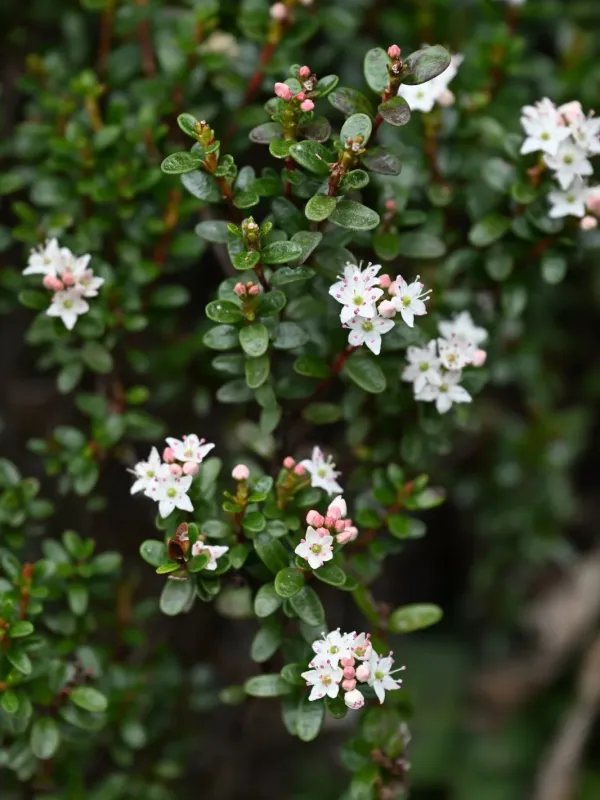
Description
Growing requirements
Sand myrtle (Leiophyllum buxifolium) is a unique evergreen shrub belonging to the Ericaceae family. Native to the eastern United States, it is widely recognized for its dwarf habit and dense, glossy foliage.
This species strictly requires acidic, well-draining soil to thrive. Gardeners should aim for a soil pH between 4.5 and 5.5, often utilizing organic amendments like peat moss, pine bark, and coarse sand to create an ideal growing environment.
Regarding climate, the plant is remarkably hardy and resilient. It performs best in regions with moderate temperatures, requiring consistent moisture but suffering significantly if roots are exposed to stagnant water or heavy, clay-based soils.
Light requirements involve providing partial shade or bright, filtered light. While it can withstand direct sunlight in cooler climates, protection from harsh, drying afternoon sun is often recommended to maintain leaf color and plant vigor.
Maintenance is relatively low once the plant is established. Essential practices include regular mulching to keep the root system cool and acidic, as well as light pruning after flowering to encourage a dense, compact shrub form.
Main diseases and pests
Common biological threats include root rot and fungal infections triggered by poor soil drainage. Maintaining high oxygen levels in the substrate is crucial to preventing the colonization of these pathogens.
Pests are generally manageable but may include spider mites during periods of prolonged drought. Monitoring for these pests and maintaining proper humidity levels around the foliage are primary defense strategies.