
Kyushu rhododendron
Rhododendron kiusianum
Description
Growing requirements
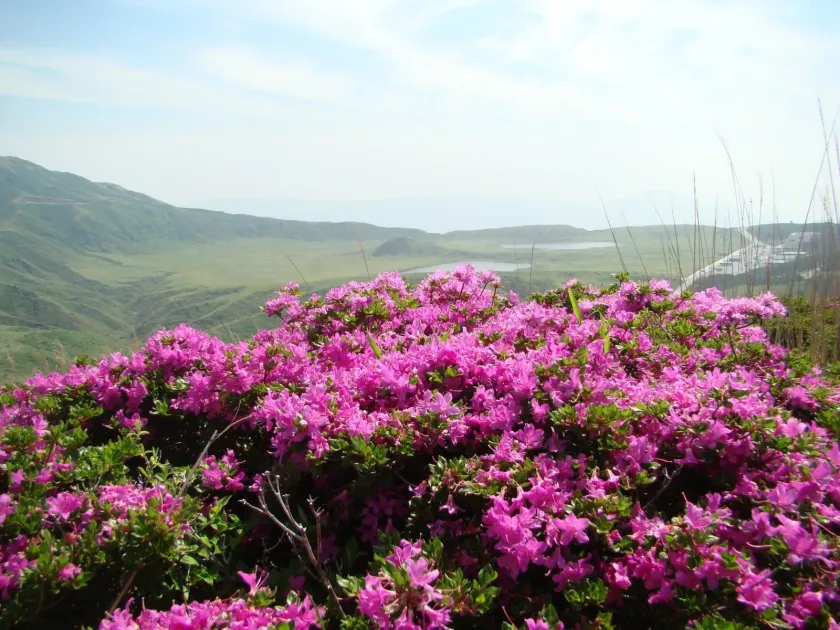
The Kyushu rhododendron (Rhododendron kiusianum) is a small, evergreen to semi-evergreen shrub belonging to the Ericaceae family. It is native to the high-altitude volcanic landscapes of Kyushu, Japan, where it thrives in rocky, well-drained soils.
To cultivate this plant successfully, one must replicate its natural habitat. The species requires acidic, well-draining soil with a pH between 4.5 and 5.5, rich in organic matter like pine needles or peat moss.
Placement is critical: it performs best in partial shade, sheltered from harsh winds and intense afternoon sun which can scorch the delicate foliage. Consistent humidity is essential for the health of the plant.
Agronomic maintenance includes regular mulching, which serves a dual purpose: it retains vital moisture for the shallow root system and suppresses competition from weeds while maintaining soil acidity.
This rhododendron is primarily grown for ornamental purposes, often appearing in rock gardens, bonsai collections, and containers, where its compact habit and prolific bloom make it a preferred choice for landscape architects.
Main diseases and pests
The most significant threats to the Kyushu rhododendron are fungal diseases such as Phytophthora root rot and powdery mildew, which thrive in poorly drained environments with high humidity.
Common insect pests include rhododendron lace bugs, spider mites, and vine weevils, which can cause significant damage to leaves and stems if left unchecked.
Integrated pest management, including regular scouting and the use of targeted insecticides, is recommended to keep the population of harmful insects under control.
Fungal issues are often mitigated by ensuring proper air circulation around the canopy and avoiding overhead watering, which keeps the foliage dry and healthy.
Sanitation practices, such as removing fallen leaves and pruning dead or diseased wood, are crucial for long-term health and prevention of pathogen buildup in the soil.