
Fuchsia heath
Epacris longiflora Cav.
Description
Growing requirements
The Fuchsia heath (Epacris longiflora) is a perennial woody shrub belonging to the Ericaceae family. Native to eastern Australia, this plant is naturally adapted to rocky habitats and well-drained acidic environments, often found in sandstone areas where nutrients are sparse.
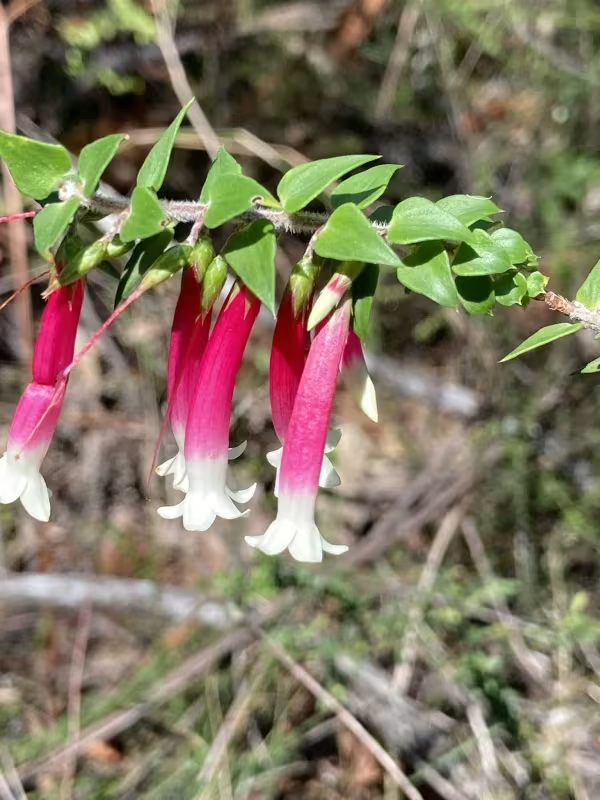
Botanically, it is distinguished by its narrow, stiff leaves and characteristic long, pendulous flowers that resemble those of a fuchsia, which explains its common name. The plant grows to a manageable height, making it an excellent candidate for specialized containers or protected gardens.
Agricultural requirements include a highly acidic, loose, and friable growing medium. Growers should aim for a substrate composed of sand and peat to mimic the plant's natural habitat. It is crucial to avoid any substrates containing limestone or high levels of calcium.
Climatic requirements demand cool, humid air and consistent, bright, filtered sunlight. Excessive heat and low humidity are the primary limiting factors for successful growth. In indoor conditions, it is essential to ensure proper ventilation to mimic natural air movement.
Watering must be performed with soft water, ideally rainwater, as mineral salts from tap water can cause irreparable damage to the sensitive root system. The plant thrives when its roots remain cool and slightly damp, but never waterlogged, requiring a careful balance in irrigation practice.
Main diseases and pests
Root rot is the most significant threat to Epacris longiflora. It is typically caused by improper drainage or excessive irrigation during the colder dormant months. Using high-quality drainage material at the bottom of the pot is a mandatory agricultural practice.
Pests such as mealybugs and scale insects may infest the foliage and stem junctions. Regular monitoring is advised, as manual removal or the application of horticultural oils can keep populations in check without damaging the delicate aesthetic appearance of the plant.
Spider mites are a common problem in environments with low air humidity, particularly during winter months when indoor heating systems are in use. Increasing ambient humidity through pebble trays or regular misting can effectively deter these pests.
Fungal leaf spots can occur if the plant lacks sufficient airflow or if foliage remains wet for prolonged periods. To prevent this, focus irrigation strictly on the soil surface and maintain adequate space between plants to allow for proper air circulation.
Maintaining proper nutrient levels is essential, though one must avoid over-fertilizing. Use only fertilizers specifically formulated for ericaceous plants, as standard plant foods may contain ingredients that interfere with the plant's symbiotic relationship with beneficial soil fungi.