
Enkianthus perulatus
Enkianthus perulatus C. K. Schneid.
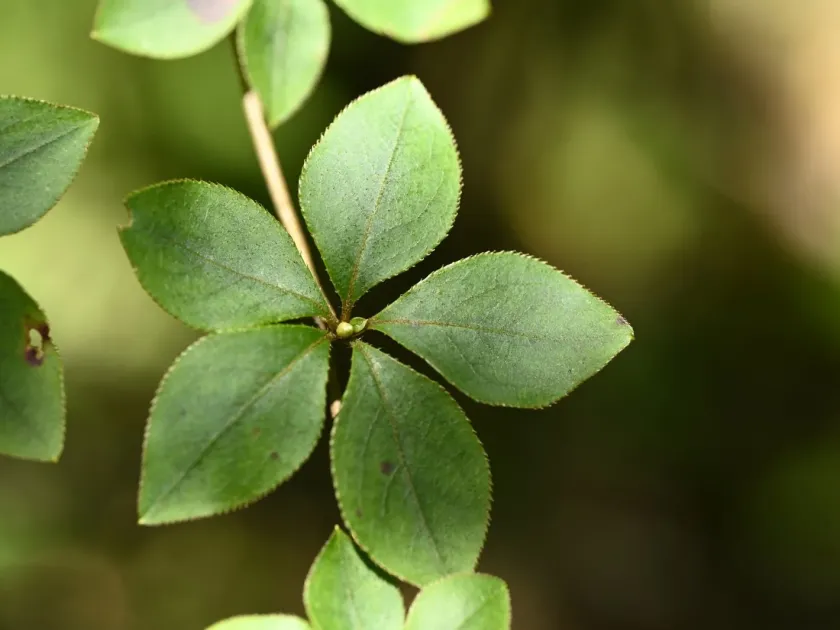
Description
Growing requirements
Enkianthus perulatus, a member of the Ericaceae family, is a slow-growing deciduous shrub native to Japan. It is widely prized in horticultural circles for its elegant, bell-shaped flowers and stunning, fiery red autumn foliage.
To thrive, this plant requires specific environmental conditions. It demands acidic, well-drained, and organic-rich soil. It is strictly intolerant of heavy clay or alkaline conditions, which can lead to rapid nutrient deficiency and root stress.
The ideal location for Enkianthus perulatus is partial shade. While it can handle some morning sun, full afternoon exposure often causes leaf scorch. Providing a sheltered spot protected from strong, drying winds is crucial for its longevity.
Watering requirements are consistent throughout the growing season. The plant prefers evenly moist soil; however, it must never sit in waterlogged conditions. Using rainwater is highly recommended, as hard tap water can alter soil pH over time.
Regular mulching is a vital part of the plant's agrotechnics. Applying a thick layer of pine needles or wood chips around the base helps regulate soil moisture, suppress weeds, and maintain the necessary acidic environment for root health.
Main diseases and pests
Root rot is the most significant threat to the health of Enkianthus perulatus. It typically occurs when drainage is inadequate, leading to water accumulation around the crown and subsequent fungal colonization.
Spider mites can become a nuisance during hot and dry spells. These pests colonize the underside of leaves, causing them to turn yellow or bronzed. Proactive monitoring and increased humidity around the plant can deter these infestations.
Chlorosis is a frequent physiological disorder observed when the soil pH rises above the optimal range. This interferes with the plant's ability to absorb essential micronutrients, leading to yellowing between the leaf veins.
Winter injury can occur in colder climates if the plant is not properly established. While it has moderate cold tolerance, extreme temperature fluctuations can damage the buds and younger, thinner branches.
Proper sanitation is essential for preventing leaf spot diseases. Removing fallen, diseased foliage in the autumn and ensuring good air circulation within the shrub canopy are simple but effective management strategies.