
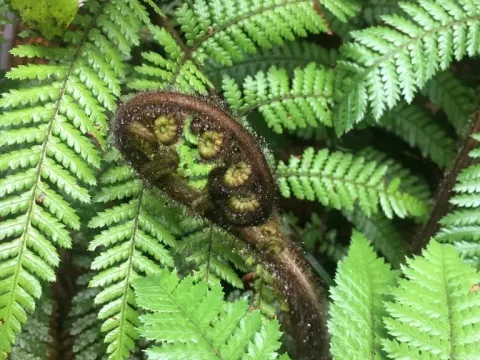
Dicksonia
Dicksonia
Dicksonia is a genus of slow-growing tree ferns belonging to the Dicksoniaceae family. These plants are characterized by a sturdy, fibrous trunk that acts as a support system for a crown of large, arching fronds, making them a centerpiece in any collection.
What the section contains


Dicksonia
Originating from the humid forests of Australasia, South America, and the Pacific islands, these ferns thrive in environments with consistent rainfall and cool, misty conditions. They are iconic specimens of temperate and subtropical rainforest ecosystems.
Cultivation requirements focus on maintaining high soil moisture while ensuring excellent drainage to prevent root asphyxiation. A rich, loamy, and slightly acidic substrate is ideal, providing the necessary nutrients and physical structure for the root system.
Climatic management is critical for Dicksonia, as they are susceptible to heat stress and excessive transpiration in dry conditions. They perform best in partially shaded locations with protection from strong, drying winds that can cause browning of the fronds.
Economically and horticulturally, Dicksonia is utilized as a premium ornamental plant. It is highly sought after for conservatory displays, botanical gardens, and sophisticated landscape designs, serving as a living relic that adds a prehistoric aesthetic to garden spaces.
Common pests affecting Dicksonia include scale insects and mealybugs, which frequently hide in the fibrous crevices of the trunk. Vigilant monitoring and early intervention with horticultural soaps are essential to manage these infestations effectively.
Pathogenic threats are primarily associated with moisture management. Overwatering and stagnant air can lead to stem rot and fungal leaf spots. Maintaining adequate ventilation and avoiding water accumulation in the crown center are key preventative measures.