
Rough tree fern
Dicksonia squarrosa
Description
Growing requirements
Dicksonia squarrosa, commonly known as the rough tree fern, is a prominent member of the Dicksoniaceae family. It is native to the temperate rainforests of New Zealand, where it forms dense, majestic stands in humid environments.
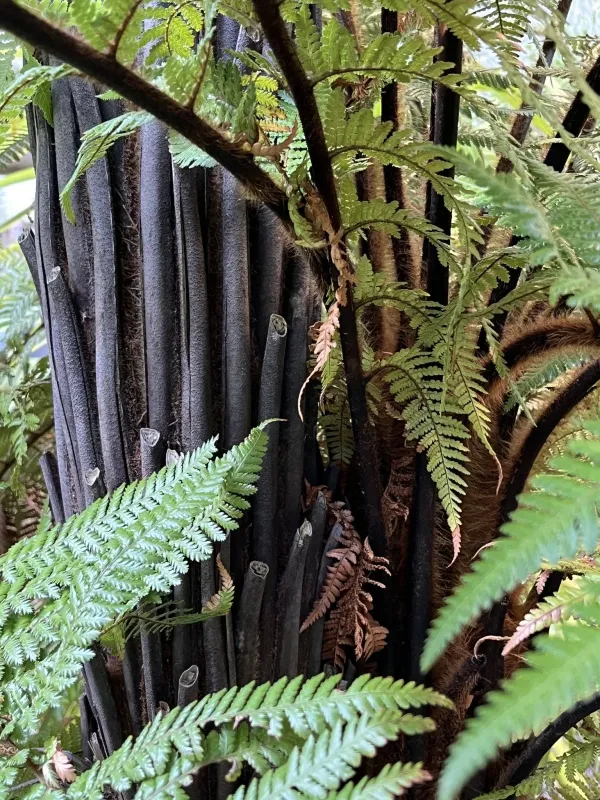
The plant is distinguished by its slender, dark-colored trunk, which is composed of a fibrous mass of adventitious roots and old leaf bases. It typically grows to several meters in height, with a crown of spreading, dark green fronds that create an elegant architectural effect.
Successful cultivation of this species requires high humidity levels and consistent moisture, mirroring its natural habitat. It prefers sheltered locations with dappled sunlight, as direct harsh light can cause the fronds to scorch or lose their vibrant coloration.
When choosing a substrate, it is essential to provide a mix that is rich in organic matter and has excellent drainage properties. A slightly acidic to neutral soil pH is ideal for promoting nutrient uptake and ensuring root health in container-grown or field-planted specimens.
In terms of agricultural and horticultural use, the rough tree fern is highly valued as an ornamental specimen in landscaping. It is widely used in conservatories and protected gardens to provide a lush, prehistoric aesthetic that is highly sought after by collectors.
Main diseases and pests
The most frequent pests affecting the rough tree fern are scale insects and mealybugs, which tend to congregate in the protected spaces of the frond stems. Regular inspection and the application of horticultural oils or systemic insecticides help keep populations in check.
Fungal issues, particularly stem rot or crown rot, are the primary biological threats when drainage is inadequate. Proper air circulation and avoiding overhead watering directly into the center of the crown are critical management practices for maintaining a healthy plant.