
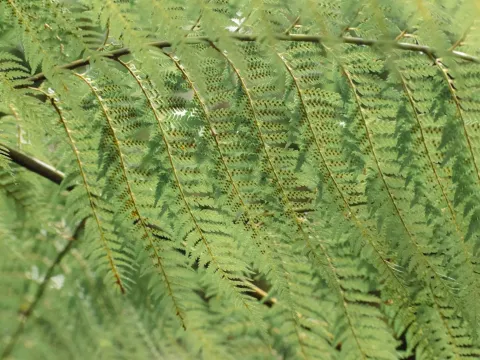
Lophosoria
Lophosoria
Lophosoria is a genus of tree ferns belonging to the Dicksoniaceae family. It is native to the tropical and subtropical regions of Central and South America, typically found in high-humidity mountain forests and shaded habitats.
What the section contains

Lophosoria
The plant thrives in environments that mimic its natural forest floor or understory conditions. Cultivation success depends on providing high atmospheric humidity, protection from direct midday sun, and stable, mild temperatures without severe fluctuations.
Optimal growth requires a well-draining, humus-rich soil substrate with a slightly acidic pH level. Since these ferns have sensitive root systems, the soil must be porous enough to prevent waterlogging, which is detrimental to the plant's long-term health.
In greenhouse settings, maintaining a consistent moisture level is crucial. Irrigation should be performed carefully using soft water, ensuring that the moisture does not remain stagnant in the crown of the fern to prevent crown rot.
Lophosoria is primarily utilized for ornamental purposes. It is a prized specimen in botanical collections and high-end landscaping due to its impressive architectural form and large, lush fronds that create a prehistoric aesthetic.
Fungal infections remain the primary threat to Lophosoria, often triggered by poor ventilation and excessive moisture. Root rot, caused by various soil-borne pathogens, can quickly incapacitate the plant if drainage is inadequate.
Pests such as spider mites, mealybugs, and scale insects frequently target the plant, especially when humidity levels drop below the required threshold. Regular monitoring and integrated pest management are essential for maintaining healthy foliage.
Environmental stress, such as low humidity or exposure to dry, cold drafts, often leads to the browning and desiccation of the frond tips. This physical stress compromises the plant's health, making it more susceptible to opportunistic diseases.
Improper temperature management, specifically cold stress, can lead to stunted growth and discolored fronds. Ensuring that the ambient temperature remains within the tropical comfort zone is vital for preventing physiological decline.
Maintaining a clean growing environment is the most effective preventative measure against disease. Removing decaying organic matter and ensuring proper airflow reduces the spore load of pathogens that can cause widespread leaf spots or decay.