
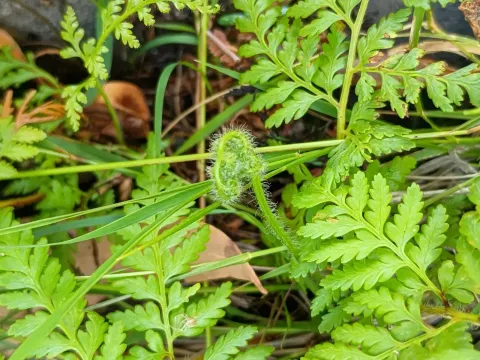
Calochlaena
Calochlaena
Calochlaena is a genus of large ferns belonging to the family Dennstaedtiaceae. These plants are native to the tropical and subtropical regions of Asia, Australia, and various islands in the Pacific Ocean, where they thrive in moist, shaded environments.
What the section contains

Calochlaena
In cultivation, these ferns require high humidity and consistent moisture in the root zone. They perform best in a well-draining, humus-rich potting mix that mimics the forest floor environment, allowing for both moisture retention and proper aeration of the roots.
Light requirements for Calochlaena are strict; they need filtered light or partial shade to avoid leaf scorch. Intense direct sunlight will damage the delicate fronds, leading to browning and necrosis, which significantly diminishes the ornamental value of the fern.
The agricultural and horticultural utility of Calochlaena is primarily ornamental. It is a preferred species for botanical gardens, conservatory displays, and indoor collections where its architectural fronds can add a lush, tropical aesthetic to the landscape.
Proper management of the plant involves regular monitoring of environmental factors, including water pH and humidity levels. During the growing season, moderate fertilization is recommended, but the concentration must be low to avoid burning the root system.
Common health issues in Calochlaena include root rot, usually caused by overwatering or poor drainage. This condition can rapidly degrade the plant's health, making it susceptible to secondary bacterial infections that target the rhizome.
Pests that frequently affect this fern include scale insects, mealybugs, and spider mites. Regular inspections and maintaining optimal air circulation are the best preventative measures against these common glasshouse pests that thrive in stagnant conditions.