
Fibrous woolly tree fern
Dicksonia fibrosa
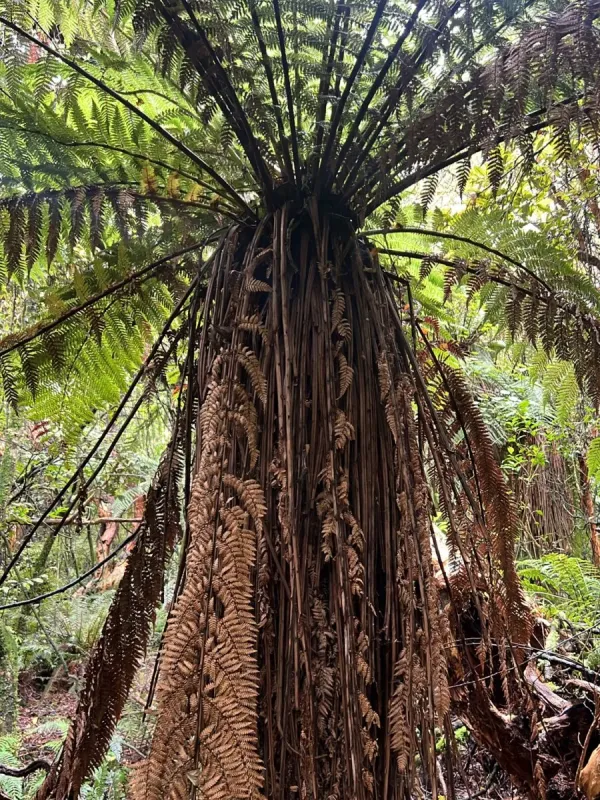
Description
Growing requirements
Dicksonia fibrosa, known as the Fibrous woolly tree fern, is a robust species within the Dicksoniaceae family. It is distinguished by its slow-growing nature and a dense, fibrous trunk that acts as a storage organ for moisture and nutrients.
Native to the temperate rainforests of New Zealand, this plant has adapted to cool, moist environments. Its aesthetic appeal makes it a premier choice for botanical gardens and collectors focusing on prehistoric-looking flora.
The cultural requirements for this fern are quite specific: it demands high atmospheric humidity and constant soil moisture. It thrives in shaded areas where it is protected from harsh afternoon sun that can scorch its delicate fronds.
For soil management, a mix high in organic matter, such as leaf mold and peat, is essential to ensure both drainage and moisture retention. The plant relies heavily on water absorbed directly through its trunk, making regular overhead irrigation a key agricultural practice.
In terms of climate, Dicksonia fibrosa prefers cool-temperate conditions and should be shielded from extreme summer heat. During winters in colder climates, it requires protection to prevent the crown from freezing, which would prove fatal to the plant.
Main diseases and pests
Pest management is focused on controlling mealybugs and scale insects, which tend to hide in the fibrous crevices of the trunk. Regular monitoring is necessary to prevent these pests from establishing large colonies.
Fungal rot caused by waterlogged soil is a major physiological threat. Ensuring the planting medium is well-aerated is critical to maintaining the health of the fern’s vascular system throughout its long life cycle.
Leaf burn is a common issue resulting from low humidity or high salinity in irrigation water. Using rainwater or softened water helps mitigate the accumulation of minerals that can damage the root tips and fronds.
Poor circulation in closed greenhouse environments can lead to botrytis or other moisture-loving pathogens. Implementing fans or natural ventilation helps keep the foliage dry and healthy during periods of high humidity.
Any disruption to the root system during transplantation can lead to a period of decline. Because the plant recovers slowly, extreme care must be taken when moving or repotting mature specimens.