
Galax
Galax
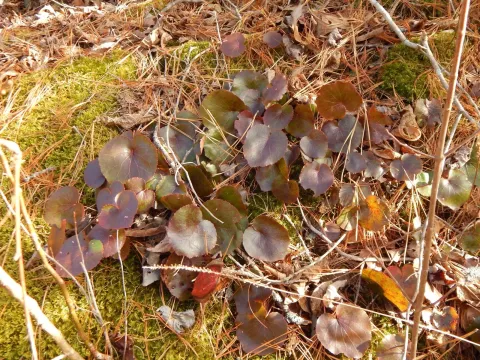
Galax (Latin: Galax urceolata) is the sole species in the genus Galax, belonging to the Diapensiaceae family. In its natural habitat, it is an evergreen herbaceous plant native to the woodland regions of the southeastern United States.
What the section contains
Galax
The plant thrives in partial to full shade and requires high ambient humidity. For optimal development, it demands acidic, humus-rich, loose, and consistently moist soil conditions.
Botanically, Galax forms a basal rosette of leathery, glossy, heart-shaped or rounded leaves that often turn a striking bronze or red color during the autumn months.
Regarding agrotechnics, the culture is known for its slow initial growth rate. Despite its preference for moisture, the plant is sensitive to waterlogging, making proper drainage of the growing substrate essential.
Its primary commercial use is in ornamental gardening and the floral industry. The leaves are highly valued for bouquet arrangements due to their exceptional longevity and durability after being cut.
Galax is considered a relatively hardy plant, although it can be susceptible to fungal diseases such as leaf spots if environmental conditions are suboptimal.
The main pests affecting the plant in open-ground settings are slugs and snails, which can cause significant damage to the succulent foliage, especially during periods of high humidity.
To prevent root rot, it is necessary to avoid soil compaction and excess moisture during the plant's dormancy phase. Maintaining a stable soil pH between 4.5 and 5.5 is vital for health.
When grown in greenhouse environments, spider mites may become an issue due to dry air conditions. Regular misting can help mitigate this specific risk.
Biological control efforts focus on maintaining an appropriate microclimate and performing timely sanitary pruning to remove any dry or damaged portions of the leaf rosettes.