
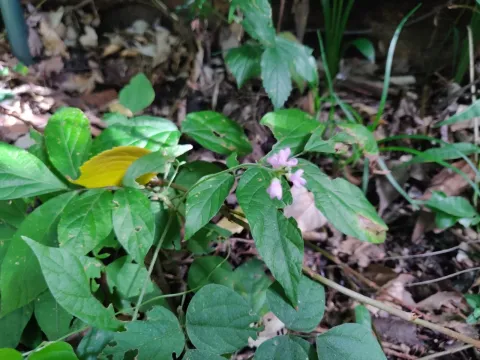
Desmodium oldhamii
Desmodium oldhamii
Sowing Desmodium oldhamii is typically carried out in the spring when soil temperatures reach 12–15 degrees Celsius. Ensuring consistent moisture in the upper soil profile is essential for successful germination and initial seedling establishment.
What the section contains
Desmodium oldhamii
Seeds often require scarification prior to planting because of their hard seed coat, which can delay germination. The optimal sowing depth ranges from 1 to 2 centimeters, depending on the specific soil texture and moisture content.
Row planting with spacing between 30 and 45 centimeters is recommended. This layout provides adequate space for root system expansion and aerial growth, while also facilitating mechanical weed control during the early stages of development.
Seeding density should be calculated to ensure a full, uniform stand by mid-summer. In temperate climates, early planting is advisable to allow plants to establish strong root systems before the onset of autumn cooling.
During the first year, growth is relatively slow as the plant invests significant energy into root development. Maintaining a weed-free environment during this establishment phase is critical for maximizing long-term productivity.
Desmodium oldhamii is a member of the Fabaceae family, characterized as a perennial herbaceous plant with upright stems. Its native range encompasses regions of East Asia, including the Korean Peninsula and Japan.
The crop prefers well-lit environments but can tolerate partial shading during the day. It is relatively demanding regarding soil fertility and performs best in loam soils with neutral to slightly acidic pH levels.
This species displays moderate drought tolerance, though supplemental irrigation may be necessary in arid regions to maintain high biomass yields. Waterlogged or poorly drained soils should be avoided, as they can cause root rot.
Well-aerated soil rich in organic matter is ideal for this crop. Applying phosphate and potassium fertilizers can significantly enhance root system vigor and improve the plant's overall winter hardiness.
In regions with harsh winters, the aerial parts typically die back, but the perennial root system survives to regrow in spring. Adequate snow cover is beneficial in protecting the root crown from extreme freezing temperatures.
Desmodium oldhamii is primarily valued for its green forage, which is high in protein. Through symbiotic relationships with nitrogen-fixing bacteria, the plant enriches soil nitrogen and produces high-quality feed for livestock.
With proper agronomic management, this crop offers stable forage yields for several consecutive years. Yield capacity is strongly correlated with soil nutrient status and timely application of maintenance fertilizers.
The plant is highly leafy, making it an excellent component for hay or silage production. Its high protein content serves as a valuable supplement in balanced diets for various agricultural animals.
Beyond its forage utility, Desmodium oldhamii is being investigated for soil restoration and structure improvement. Its deep root system helps break up compacted soil layers, improving overall hydrological properties.
Peak biomass production is typically achieved in the second and third years. Strategic harvesting promotes vigorous regrowth, leading to higher total dry matter collection throughout the growing season.
Desmodium oldhamii is generally resistant to common legume diseases, though excessive humidity may lead to powdery mildew. Prevention strategies include maintaining proper spacing and ensuring adequate field aeration.
Insect pests, such as leaf beetles and weevils, pose the greatest threat to the foliage during early growth stages. Regular field monitoring is essential to detect outbreaks and initiate prompt control measures.
Root rot issues are typically associated with poor drainage or over-irrigation. Using high-quality, disease-free seed and practicing crop rotation are fundamental steps to minimize the spread of soil-borne pathogens.
Weed management is focused on inter-row cultivation before the crop canopy closes. Once established, the dense foliage effectively suppresses most weed species, reducing competition for essential nutrients and sunlight.
Integrated pest management protocols allow for effective control of populations without harming essential pollinators. Encouraging pollinator activity is beneficial for seed set if a harvest for propagation is desired.
For green fodder, harvest should occur during the full bloom phase when nutritional value is highest. It is critical to harvest before the plant matures excessively to avoid the woody stems that reduce digestibility.
When producing hay, mowing should be followed by drying in windrows. Due to the high leaf-to-stem ratio, gentle handling is necessary during drying to minimize the loss of valuable, protein-rich leaves.
For silage, the forage should be chopped to ensure optimal compaction in silos or bales, facilitating efficient lactic acid fermentation and long-term stability of the feed product.
Stubble height should be maintained at 8–10 centimeters. This practice protects the plant's buds, ensuring rapid regrowth and increasing the likelihood of multiple successful cuttings in a single year.
Seed harvesting should be timed after the pods turn brown but before they shatter. Collected seeds must be thoroughly cleaned and stored in cool, dry conditions to maintain viability for future planting cycles.