
One-flower shortia
Shortia uniflora
Description
Growing requirements
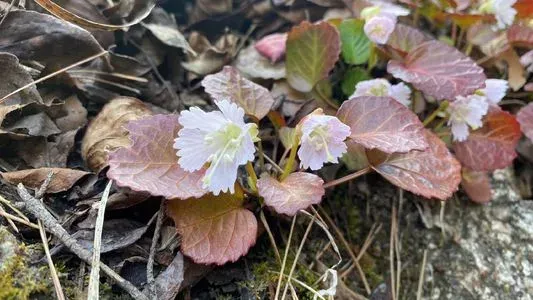
Shortia uniflora, commonly known as the one-flower shortia, is a rare herbaceous perennial plant belonging to the Diapensiaceae family. Native to the mountainous woodland regions of Japan, this species has evolved in humid, shaded forest floors with rich organic soil composition.
The plant features evergreen, leathery leaves that form a low rosette, and produces solitary, delicate flowers with fringed petals during the spring season. Because of its slow growth rate and specific environmental demands, it is considered a prized specimen for collectors of alpine and woodland flora.
To cultivate Shortia uniflora successfully, gardeners must provide an acidic, well-draining soil mix rich in humus, peat, and leaf mold. This mimics the plant's natural habitat and ensures that the delicate root system receives both moisture and adequate oxygen to prevent suffocation.
Temperature and light management are critical for survival; the plant requires deep shade or partial shade to avoid scorching its leaves. It thrives in cool, humid environments and is highly sensitive to the intense heat and dry conditions typically found in open garden spaces during summer months.
Regular maintenance involves keeping the soil consistently moist but never waterlogged. Applying a layer of pine needles or wood mulch around the base helps retain soil moisture, maintain the necessary acidic pH level, and keep the roots cool, which is essential for the plant's long-term vitality.
Main diseases and pests
The primary threats to Shortia uniflora are fungal diseases, specifically root rot, usually triggered by poor drainage or excessive standing water around the crown. Ensuring proper soil structure and preventing water from accumulating in the center of the leaf rosette are vital preventative measures.
Slugs and snails pose a significant threat to the foliage and emerging flowers, especially during damp seasons. Utilizing physical barriers like crushed shells or specific biological control methods is recommended to protect the plant from these pests without damaging its sensitive tissues.