
Dennstaedtia wilfordii
Dennstaedtia wilfordii
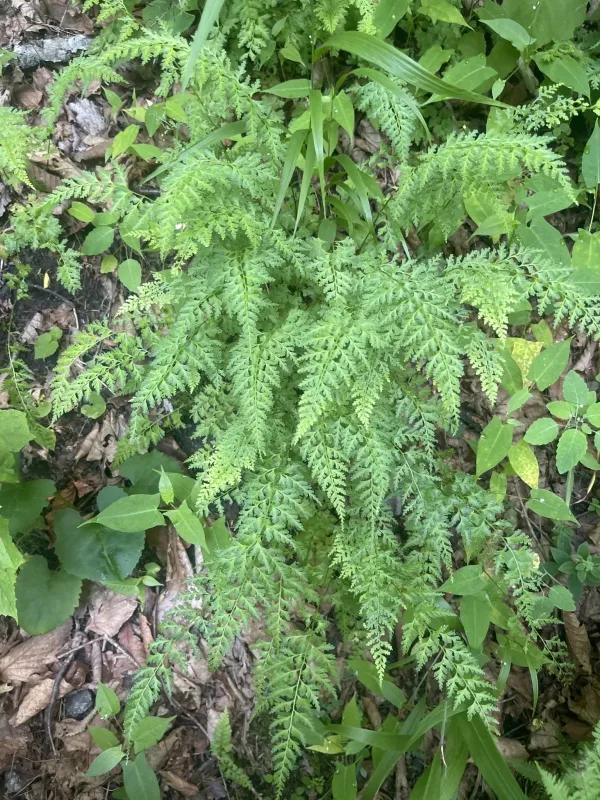
Description
Sowing dates
Propagation of Dennstaedtia wilfordii is most effectively achieved through rhizome division, which should be performed in early spring before the new fronds begin to unfurl.
Spore propagation is a complex process requiring a sterile environment, consistent moisture, and temperatures between 20 and 22 degrees Celsius to facilitate germination.
Sown spores should be placed on a peat-based substrate, kept covered to maintain high humidity, and protected from direct light until the prothallia stage is reached.
Young sporophytes require a gradual acclimatization process before being transplanted into individual containers or directly into a nursery bed in the garden.
Proper spacing is essential during transplanting to ensure that each plant has enough room for rhizome expansion, which is characteristic of this fern species.
Growing requirements
Dennstaedtia wilfordii, belonging to the Dennstaedtiaceae family, naturally thrives in moist, shaded woodland habitats throughout parts of East Asia.
The ideal soil for this fern is loose, humus-rich, and slightly acidic, providing the necessary nutrients for robust growth while maintaining sufficient moisture levels.
This species is highly shade-tolerant and should be planted in locations protected from harsh, direct sunlight to prevent frond scorch and plant dehydration.
Regular watering is critical, especially during dry spells, as the plant does not tolerate drought and may suffer from stunted growth if moisture is lacking.
A layer of organic mulch, such as leaf mold or compost, is recommended to regulate soil temperature and help retain the moisture required for the fern's health.
Main diseases and pests
Spider mites and scale insects are the most common pests that affect the health of the plant, particularly when indoor or garden humidity is too low.
Root rot, often caused by poor drainage or overwatering, is a serious threat that can lead to the rapid decline of the rhizomatous root system.
Fungal leaf spot diseases may appear if there is inadequate air circulation around the plants, allowing moisture to remain on the foliage for extended periods.
Slugs and snails are notorious for feeding on the tender, emerging fronds during the spring, which can significantly hinder the plant's seasonal development.
Integrated pest management, including regular inspection and the use of appropriate cultural practices, is the best strategy for maintaining a healthy fern garden.
Harvesting
Dennstaedtia wilfordii is primarily valued for its ornamental appeal, serving as an elegant groundcover or a feature plant in shady, woodland-themed landscapes.
While not commonly used as a commercial crop, the plant can be harvested in small quantities for artistic botanical displays or dried floral arrangements.
Sustainable harvesting practices are essential if the plant is being collected for scientific or medicinal research to ensure the long-term survival of the local population.
The visual impact of this fern lies in its lacy fronds, which provide a delicate texture that contrasts well with broader-leaved shade plants like hostas or brunneras.
Proper care throughout the season ensures that the fronds remain vibrant and intact until the end of the growth cycle, providing maximum aesthetic value.