
Dennstaedtia scabra
Dennstaedtia scabra
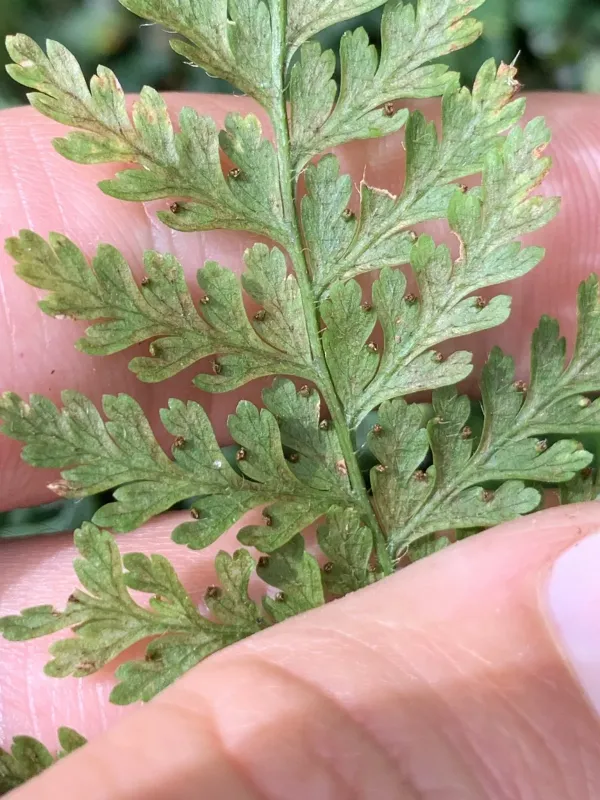
Description
Growing requirements
Dennstaedtia scabra is a perennial fern species belonging to the Dennstaedtiaceae family. It is native to various regions in Asia, where it thrives in humid and shaded forest environments, often colonizing fertile and well-drained soils.
Botanically, this fern is characterized by its creeping rhizomes and distinctively scabrous (rough) fronds. The leaves are typically tripinnate, providing an elegant and delicate appearance that makes it a popular subject for botanical study and ornamental collection.
The cultivation of this plant requires a stable tropical-like climate. It prefers temperatures between 18 and 25 degrees Celsius and high relative humidity. It is essential to protect the fronds from direct sunlight, which can quickly dehydrate the plant tissue.
Soil requirements involve a rich, acidic to neutral substrate that provides excellent aeration. Using a mix of peat moss, leaf mold, and perlite helps maintain the necessary moisture levels while preventing the waterlogging that is detrimental to its roots.
In practice, Dennstaedtia scabra is used primarily for aesthetic purposes in conservatories and greenhouse displays. Its vigorous growth pattern makes it suitable for ground cover in large, temperature-controlled environments where humidity can be kept constant.
Main diseases and pests
The primary threat to this fern is the lack of proper air humidity, which often leads to brown and crispy frond margins. Maintaining a consistent moisture level in the surrounding air is critical for preserving the plant's health.
Pests, particularly spider mites, are a significant issue in domestic or greenhouse cultivation when conditions are too dry. These pests can rapidly infest the fronds, causing a loss of vitality and eventually leading to severe leaf damage.
Fungal pathogens represent another major risk, typically emerging due to poor ventilation or excessively wet soil. Root rot is a common symptom of overwatering, which can lead to the rapid decline of the rhizome system if left unaddressed.
Effective management includes regular monitoring of the foliage and ensuring good airflow around the plant. If an infestation occurs, specialized horticultural soaps or systemic pesticides should be applied according to the manufacturer's guidelines.
Maintaining high hygiene standards in the planting area prevents the spread of spores and pests. Removing dead or diseased fronds promptly helps to keep the plant vigorous and reduces the likelihood of future outbreaks.