
Hay-scented fern
Dennstaedtia punctilobula
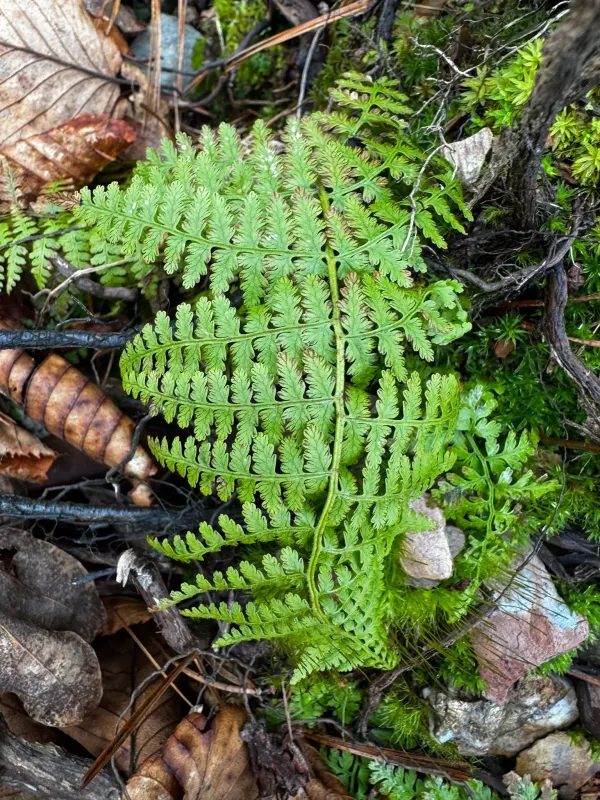
Description
Sowing dates
Propagation of Dennstaedtia punctilobula is primarily achieved through rhizome division, which is the most reliable method for home gardeners. The best time to divide the rhizomes is early spring, just before the new fronds begin to unfurl, ensuring the plant establishes well before the heat of summer.
When planting, provide ample space for the rhizomes to spread, as this species is a vigorous grower and can form dense colonies over time. Space individual divisions at least 12 to 18 inches apart to allow sufficient room for the creeping root system to develop fully.
Although spores can be used for propagation, the process is highly technical and usually reserved for specialized nursery environments. Spores require sterile conditions, high humidity, and stable, warm temperatures to germinate successfully over a period of several months.
After transplanting, it is crucial to water the ferns deeply to settle the soil around the roots and minimize transplant shock. Consistent moisture in the first few weeks is essential for the fern to establish its root system effectively in its new location.
Incorporate organic matter, such as leaf mold or well-rotted compost, into the planting site to mimic the natural forest floor conditions. This enrichment helps the plant thrive and improves the overall structural health of the soil for long-term growth.
Growing requirements
The Hay-scented fern, belonging to the Dennstaedtiaceae family, is native to eastern North America and thrives in cool, moist, and shaded environments. It is an ideal plant for woodland gardens, where it can be used as an effective ground cover due to its spreading habit.
The species prefers acidic to neutral, well-draining soils that are rich in organic content. It is remarkably adaptable but performs best in locations that provide consistent moisture throughout the growing season, preventing the roots from drying out completely.
Climate-wise, this fern is highly hardy and capable of surviving cold winter temperatures typical of its native range. It is well-suited for USDA zones 3 through 8, as it enters a natural dormancy period during the winter months, protecting the rhizomes from freezing damage.
Light levels should be carefully managed; while the plant tolerates partial shade to full shade, it can tolerate some morning sun in cooler climates. However, prolonged exposure to direct, intense afternoon sunlight should be avoided to prevent frond scorch.
Maintenance involves periodic thinning of the colony if it spreads beyond its designated space. Since the fern reproduces through rhizomes, installing a root barrier can be an effective strategy if you want to contain the plant within a specific garden bed.
Main diseases and pests
Hay-scented ferns are generally quite resistant to most pests, but they can occasionally be bothered by slugs and snails, especially during wet spring weather. Using physical barriers like copper tape or crushed eggshells can help protect the tender new fronds from feeding damage.
Fungal issues, such as leaf spots, are usually a sign of poor air circulation or excessive overhead watering. Ensuring that the fern is not planted too densely and that the foliage stays relatively dry can significantly reduce the risk of these infections.
Root rot is the most common health issue for Dennstaedtia punctilobula when grown in poorly draining, heavy clay soils. Providing a proper drainage layer at the time of planting is the most effective preventative measure against this condition.
While the plant is deer-resistant due to its distinct, hay-like fragrance and bitter taste, other small mammals may sometimes disturb the rhizomes in search of food. Maintaining a layer of thick mulch can provide some protection against such disturbances.
- Regular monitoring for signs of localized leaf damage.
- Keeping the area free of excess garden debris to discourage pests.
- Ensuring proper soil drainage to prevent fungal root diseases.