
Schoenoplectiella articulata
Schoenoplectiella articulata (L.) Lye
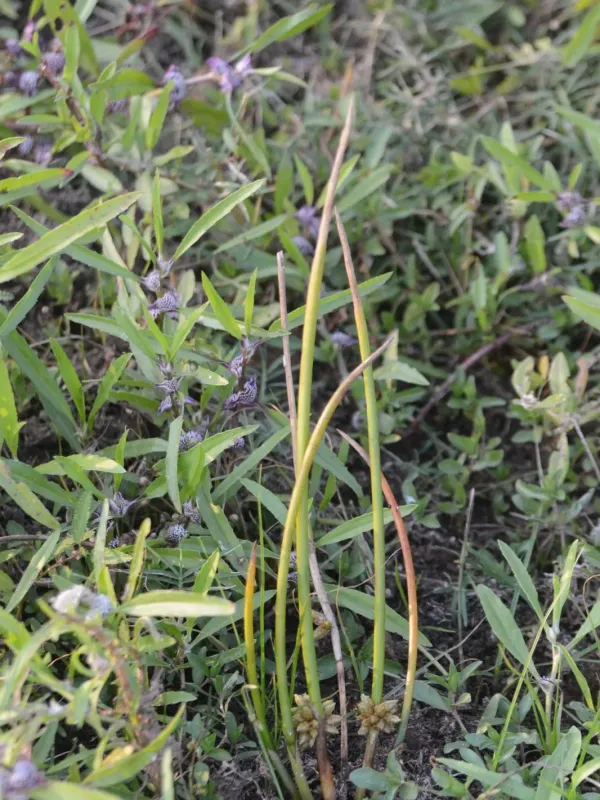
Description
Growing requirements
Schoenoplectiella articulata is a perennial herbaceous plant belonging to the Cyperaceae family. It is widely recognized for its distinctive stems, which are characterized by internal septa, giving them a jointed appearance under external examination.
This species is a typical hydrophyte, thriving in wetlands, shallow waters, and areas subject to seasonal flooding. Its adaptability to waterlogged soils makes it a common feature in tropical and subtropical marshlands and rice-growing landscapes.
The plant prefers nutrient-rich silt or clay substrates that retain high moisture levels. It requires significant solar radiation to reach its full development potential, which often leads to the formation of dense, productive stands in suitable environments.
Geographically, its distribution is broad, spanning various regions across Africa, Asia, and the Pacific islands. Its physiological design allows it to withstand temporary water level fluctuations, ensuring survival in variable hydrological settings.
Botanically, it is defined by leafless stems and inflorescences that emerge from the side of the stem, often clustered in heads. Its root system is fibrous and highly efficient at nutrient uptake in anaerobic soil conditions.
Main diseases and pests
Pathogenic fungi represent the primary threat to the stability of the crop, particularly when poor air circulation in dense stands coincides with high humidity and stagnant water conditions.
Insect pests, including various larvae that tunnel into the succulent stems, can cause structural damage, negatively impacting the quality of the harvested biomass for secondary use.
The presence of invasive aquatic weeds poses a significant challenge, as they often compete for space and sunlight during the critical establishment phase of the crop.
Nematode infestations in the rhizosphere can lead to stunted growth and reduced vigor, requiring careful site selection and the maintenance of healthy water exchange rates.
Management strategies should focus on integrated pest control, including the monitoring of water quality to prevent the colonization of the plant by opportunistic bacterial pathogens.