
Sand sedge
Carex arenicola
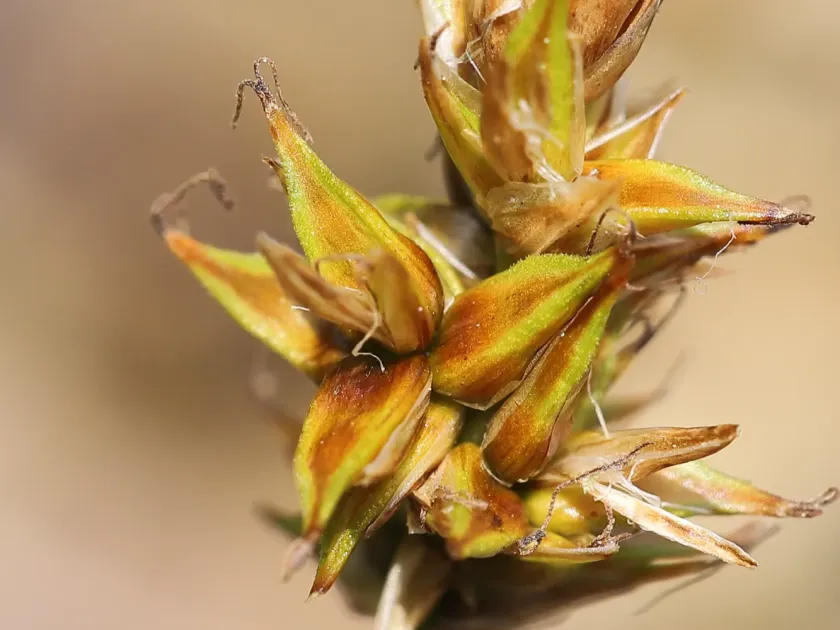
Description
Growing requirements
Sand sedge (Carex arenaria) is a perennial herbaceous plant belonging to the Cyperaceae family. It is widely recognized in agriculture and environmental management for its critical role in stabilizing sandy soils and coastal dunes.
The botanical structure of the plant is characterized by long, creeping rhizomes that spread horizontally through the sand. This aggressive root system allows the plant to form a dense mat that effectively binds soil particles, preventing wind erosion.
For optimal growth, sand sedge requires loose, well-drained, sandy substrates. It thrives in open environments with high solar radiation and demonstrates a remarkable tolerance to salinity, making it ideal for coastal restoration projects.
Regarding climate, the plant prefers temperate conditions where it can access subterranean moisture. While it is highly adapted to nutrient-poor environments, it shows significantly improved vigor when groundwater levels are stable.
Cultivation practices primarily involve the planting of rhizome cuttings during the dormant season or early spring. Given its durability, once established, the crop requires minimal maintenance and acts as a long-term protective barrier against soil degradation.
Main diseases and pests
Common diseases affecting sand sedge include various fungal pathogens such as rust and smut, which are more prevalent in areas with high humidity or poor air circulation within the plant stand.
Pests that pose a threat to this culture include wireworms and other soil-dwelling larvae that feed on the rhizomes. These pests can significantly disrupt the expansion of the root network if populations are high.
Leaf-feeding insects may also cause periodic damage, reducing the plant's ability to perform photosynthesis, though the species is generally resilient and capable of rapid vegetative regrowth.
Waterlogging is a significant threat, as it predisposes the rhizomes to rot. Proper site selection and drainage management are essential to maintain the health of the sedge plantations.
Preventive strategies involve regular monitoring of the planting density and ensuring that the soil remains well-aerated to discourage the development of mold and fungal decay.