
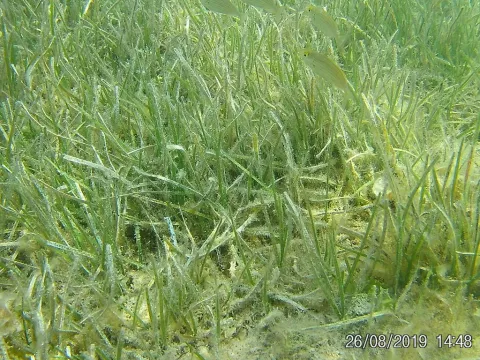
Cymodocea
Cymodocea
Cymodocea is a genus of marine flowering plants belonging to the family Cymodoceaceae. These plants are essential components of coastal ecosystems, forming dense underwater meadows that serve as nursery grounds for numerous marine species.
What the section contains


Cymodocea
The plant thrives in shallow, sandy, or muddy substrates of tropical and temperate oceans. It uses a robust rhizome system to anchor itself firmly into the seabed, effectively preventing coastal erosion through sediment stabilization.
Optimal growth requires high light penetration, as the plant depends entirely on photosynthesis. In the marine environment, clarity and depth are the primary limiting factors, restricting the plant to the photic zone where sunlight reaches the bottom.
Cymodocea exhibits significant salt tolerance, adapting to the specific salinity levels of marine and estuarine environments. Stable thermal conditions are vital for the continuous vegetative expansion of these seagrass meadows.
While not a conventional crop, its role in nutrient cycling and carbon sequestration makes it a subject of increasing interest in marine restoration projects and environmental conservation efforts globally.
Eutrophication is one of the most severe threats to Cymodocea populations, as excessive nutrient levels encourage algal blooms that block essential sunlight. This shadowing effect significantly hinders the photosynthetic capacity of the plants.
Physical disturbance caused by human activities, such as dredging, anchoring, and bottom trawling, represents a major threat. These actions destroy the seagrass meadows, and the slow recovery rate of the plant makes them highly vulnerable.
Pollution from heavy metals and industrial runoff can compromise the health of the rhizomes, leading to susceptibility to localized infections and diseases. Water quality degradation is a primary driver of seagrass decline.
Overgrazing by marine herbivores, such as dugongs and sea turtles, can impact local meadow health, although these are natural processes. Problems arise when ecosystems are already stressed by human-induced environmental factors.
Climate change and rising ocean temperatures pose significant risks, potentially altering the geographical distribution of the genus. Such shifts can disrupt the delicate balance of existing marine communities relying on these plants.