
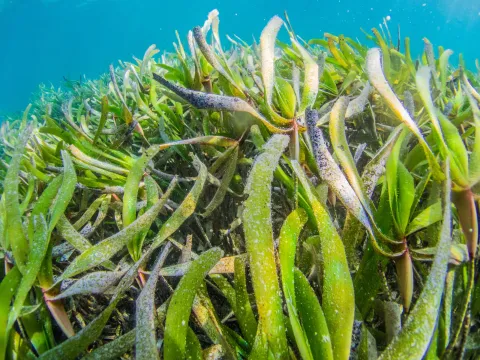
Thalassodendron
Thalassodendron
Thalassodendron is a genus of marine seagrasses belonging to the Zosteraceae family, specifically adapted to tropical shallow water environments in the Indian and Pacific Oceans.
What the section contains

Thalassodendron
The plant requires high light intensity for photosynthesis, growing primarily in clear, shallow waters at depths ranging from 1 to 10 meters, where the seabed is well-illuminated.
Optimal soil conditions include carbonate-rich sandy substrates, which provide the necessary anchorage and mineral nutrients for the plants' robust rhizome networks.
Environmental stability is crucial, as the species flourishes in warm waters with stable temperatures between +22 and +28 degrees Celsius, being highly sensitive to sudden thermal shocks.
Water salinity levels must remain consistent with oceanic standards, as the plant relies on specific osmotic conditions to maintain its biological structures and reproductive cycles.
Although not a conventional crop in traditional agriculture, Thalassodendron holds potential for harvesting as a bio-fertilizer source due to its high concentration of marine minerals.
Sustainable harvesting involves collecting naturally detached plant material from the shoreline, which prevents the disruption of living underwater meadows and protects the coastal seabed.
The biomass is often composted and used as a soil amendment in coastal agricultural zones, enhancing nutrient retention and supporting the growth of salt-tolerant terrestrial plants.
Research into the bioactive compounds found in Thalassodendron is ongoing, with potential applications in the pharmaceutical and cosmetic industries looking for sustainable marine-based ingredients.
Future agricultural practices may include the restoration of seagrass beds for erosion control, helping to protect vulnerable coastlines from tidal damage while maintaining ecosystem health.