
Halodule
Halodule
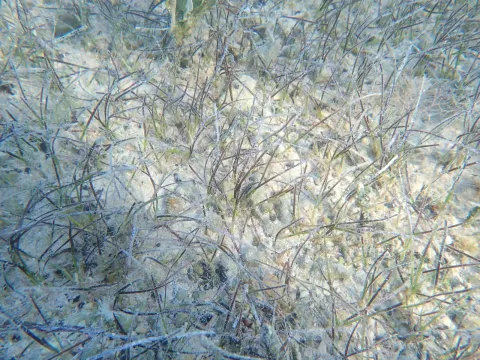
Halodule is a genus of marine seagrass belonging to the Cymodoceaceae family. These plants are essential components of coastal ecosystems, forming extensive meadows that provide habitat and food for diverse marine life.
What the section contains

Halodule
The culture thrives in shallow coastal waters where light penetration is sufficient to support active photosynthesis. Halodule prefers sandy or muddy substrates where it can anchor its creeping rhizomes effectively.
Temperature and salinity are critical factors for its growth, with most species in the genus preferring tropical and subtropical conditions. The plant is remarkably resilient to tidal fluctuations and varying water currents.
Botanical features include thin, ribbon-like leaves arranged in clusters and a robust root system. This morphology allows the plant to stabilize marine sediments, effectively preventing coastal erosion.
In terms of human application, Halodule is increasingly studied for its role in blue carbon sequestration and as a habitat restoration tool for supporting shellfish and fish populations in aquaculture projects.
The primary threats to Halodule include water pollution from agricultural and urban runoff, which introduces excess nutrients that stimulate algal blooms, reducing the light necessary for seagrass survival.
Dredging operations and coastal development significantly disrupt the seabed, destroying established meadows and hindering the natural expansion of the plant population.
Climate change, specifically rising sea temperatures and ocean acidification, puts physiological stress on the plant, potentially decreasing its reproductive success and overall health.
Invasive species often compete for nutrients and light, posing a direct threat to the dominance and stability of native seagrass beds in many coastal regions.
Diseases in marine seagrasses, including fungal infections, can spread rapidly throughout a meadow when the plants are already weakened by external environmental stressors or poor water quality.