
Cyclanthus bipartitus
Cyclanthus bipartitus
Description
Growing requirements
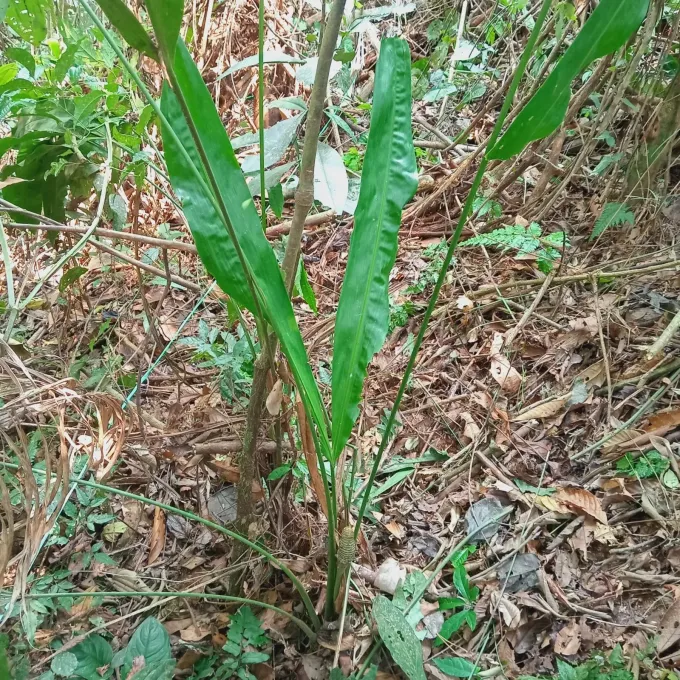
Cyclanthus bipartitus is a distinct plant species belonging to the family Cyclanthaceae. It is a perennial herb known for its peculiar leaf structure, consisting of two fan-like segments that provide a striking architectural appearance.
Native to the humid rainforests of Central and South America, this plant is well-adapted to the dense canopy shade. It thrives in environments where humidity remains consistently high and light levels are strictly filtered.
Agricultural success with this crop depends on soil composition. It requires nutrient-rich, well-draining substrate that mimics the leaf litter found on the forest floor. Providing a stable environment with temperatures between 22°C and 28°C is crucial for its development.
Botanically, the plant is characterized by a short, stout rhizome from which large, petiolate leaves emerge. The lack of a true aerial stem distinguishes it from many palm species, despite the superficial physical resemblance.
Standard cultivation practices involve avoiding waterlogging while ensuring the root zone never completely dries out. Regular monitoring of air humidity is essential, as the species is intolerant to arid conditions and stagnant, low-oxygen soil environments.
Harvesting
The primary economic use of Cyclanthus bipartitus is the extraction of durable fibers from its leaf petioles. These fibers are traditionally used by indigenous communities to weave high-quality baskets, mats, and other functional household items.
Harvesting is performed manually, with careful selection of mature leaves. This selective cutting method is vital for the long-term sustainability of the harvest, preventing damage to the rhizome and ensuring continued vegetative regrowth.
Post-harvest processing involves stripping the epidermis from the petioles to expose the underlying fibers. These fibers are then cleaned, often soaked, and dried under controlled conditions to maintain their natural strength and flexibility.
Beyond fiber production, the plant serves as a high-value ornamental in tropical botanical gardens. Its ability to create a dramatic, lush atmosphere makes it an excellent choice for large-scale interior landscaping in humid tropical climates.
While the plant is not a globally traded commodity, it remains an essential resource for regional artisanal economies. Its unique biological characteristics provide an interesting case study for sustainable fiber crop management in tropical forestry.