
Trochomeria macrocarpa
Trochomeria macrocarpa
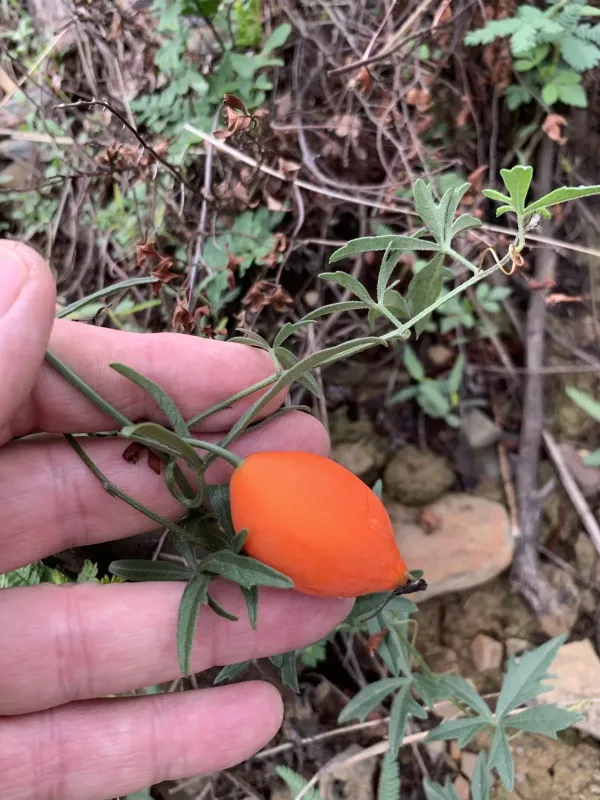
Description
Growing requirements
Trochomeria macrocarpa is a perennial herb belonging to the Cucurbitaceae family. This plant is known for its substantial tuberous roots, which act as vital storage organs that allow the plant to endure the seasonal arid conditions prevalent in its native African habitat.
Originating from the tropical and subtropical regions of Africa, this species is well-adapted to savanna environments. It typically grows in well-drained, sandy, or rocky soils, showcasing a remarkable ability to survive in environments where nutrient availability may be intermittent.
The cultivation requirements for Trochomeria macrocarpa include plenty of sunlight and a warm climate. It thrives in well-aerated soil with a slightly acidic to neutral pH. While it is drought-tolerant once established, providing consistent hydration during the early growth stages is essential for robust tuber development.
Botanically, the plant is characterized by its climbing habit, requiring trellis support to reach its full potential. The foliage consists of lobed leaves typical of the cucumber family, while the fruit, which contains numerous seeds, plays a crucial role in the plant's reproductive cycle in the wild.
Regarding хозяйственное use, Trochomeria macrocarpa is highly valued in traditional ethnobotanical practices. Its tubers are often utilized in indigenous medicine to treat various inflammatory conditions, making the plant a subject of increasing interest for sustainable harvesting and potential medical applications.
Main diseases and pests
The primary threats to Trochomeria macrocarpa include fungal infections such as powdery mildew, which thrive in humid environments. To mitigate this risk, it is crucial to ensure adequate spacing between plants to facilitate consistent airflow and prevent the accumulation of moisture on the leaves.
Common agricultural pests like aphids and whiteflies can cause significant damage to the plant by spreading viral diseases. Regular monitoring and the application of integrated pest management strategies are necessary to keep these populations under control and maintain plant vigor.
Soil-borne pathogens represent a critical danger, especially in areas with poor drainage. Root rot and damping-off can devastate the tuberous root systems, often leading to rapid plant death. Ensuring that the soil structure is friable and free-draining is the most effective preventative measure.
Nematodes are particularly problematic, as they attack the tuberous roots directly, creating entry points for secondary infections. Crop rotation is highly recommended to prevent the buildup of soil-dwelling pests that thrive specifically on cucurbits.
Fruit flies and various beetles can damage the maturing fruits, reducing the viability of seeds. Mechanical barriers or selective organic treatments can be employed during the fruiting season to protect the yield from direct infestation and subsequent mechanical damage.