
Fluted pumpkin
Telfairia occidentalis
Description
Sowing dates
Telfairia occidentalis, commonly known as fluted pumpkin, is a perennial tropical vine belonging to the Cucurbitaceae family. In agricultural practices, it is often grown as an annual or biennial crop for its nutritious leaves and seeds.
Sowing is typically performed directly into well-prepared soil at the start of the rainy season. It is crucial to use freshly harvested seeds, as they exhibit rapid loss of viability when stored for extended periods under poor conditions.
The recommended planting pattern involves significant spacing between rows to allow for the development of the vigorous, large-leafed vines. This spacing also helps to reduce humidity levels within the canopy, preventing fungal infections.
Providing trellises or supports is a vital part of the cultivation process. Vertical growth not only improves the quality of the foliage but also makes harvesting more efficient and prevents the fruits from rotting on the moist ground.
Soil temperatures must be consistently warm, ideally above 20–25 degrees Celsius, for optimal germination. The crop is highly sensitive to cold and will suffer significantly if exposed to temperature drops during the early growth stages.
Growing requirements
The crop thrives in fertile, well-drained loamy soils rich in organic matter. Sufficient moisture is essential for the rapid growth of leafy biomass, which is the primary marketable product of this specific species.
Climatic requirements focus on a tropical environment with high humidity and consistent rainfall. The plant does not tolerate frost and is sensitive to prolonged drought, requiring irrigation in regions where rainfall is erratic.
While the fluted pumpkin loves sunlight, it may require partial shading during the peak of intense dry seasons to prevent leaf scorch and premature wilting of the delicate foliage.
Agronomic management involves regular nitrogen-rich fertilizer applications to sustain the high growth rate of the leaves. Maintaining a soil pH level that is near neutral is crucial for maximizing nutrient uptake.
Weed management is vital during the establishment phase. Because the plant starts its growth slowly, it can easily be outcompeted by aggressive weeds, requiring manual weeding or mulching during the first weeks.
Yield
The yield of fluted pumpkin is heavily dependent on variety selection and the frequency of fertilizer application. Edible leaves are ready for the first harvest just 4–6 weeks after seedling emergence.
Regular pruning of the vine tips encourages branching and the production of new leaves, significantly increasing total biomass yields throughout the growing season. This practice is essential for commercial leaf production.
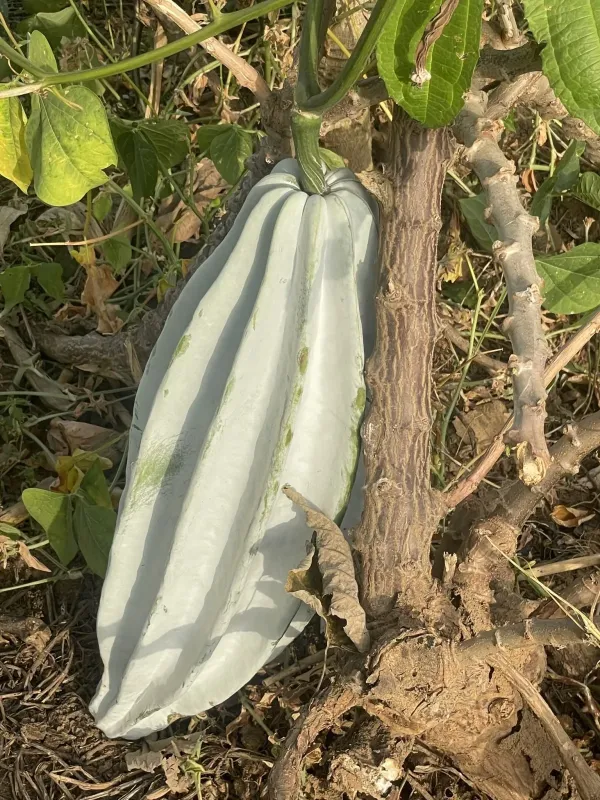
Fruits are harvested later when they reach physiological maturity. At this stage, the seeds are fully developed and contain high levels of oil and proteins, making them a valuable commodity in local and export markets.
Under intensive cultivation systems, yields of several tons per hectare are achievable. The integration of drip irrigation and proper spacing can maximize the output of both leaves and seeds per cycle.
The seeds are a critical component of the harvest, prized for their high nutritional profile. They are often processed to extract oil, while the remaining press cake is highly valued as an animal feed supplement.
Main diseases and pests
Fungal diseases, particularly powdery mildew, are the most significant threats to the crop. These pathogens thrive in high humidity and poor airflow conditions, making sanitation and proper plant spacing key preventative measures.
Leaf-eating insects, such as caterpillars and various species of beetles, can cause extensive damage to the foliage. Integrated pest management strategies are recommended to reduce reliance on heavy chemical interventions.
Root-knot nematodes can also pose a serious problem in infested soils. Crop rotation and the use of resistant varieties or sterilized growing media are effective methods for managing this underground threat.
Viral infections transmitted by aphids or whiteflies often lead to leaf curling and stunted growth. Controlling these vector populations is essential for maintaining a healthy and productive plantation.
Regular monitoring of the fields for early signs of infection is necessary. Proactive identification and removal of affected plant parts help prevent the spread of diseases across the entire planting area.
Harvesting
Harvesting the leaves is done manually and selectively. By cutting only the young shoots and leaves, farmers can ensure the plant continues to produce new growth for an extended period, maximizing the economic return.
Fruits are harvested using a sharp tool once the peduncle dries up. This is a visual indicator that the seeds have reached their peak maturity, ensuring the best quality for storage or planting the next season.
Leaves are highly perishable and must be brought to market or processed within 24 hours of harvest. Proper packaging and cool storage can help maintain their quality and nutritional value during distribution.
After fruit harvest, seeds must be cleaned of pulp and thoroughly air-dried in the shade. Properly dried seeds exhibit good storage stability and can be kept for future sowing or culinary use.
The culinary and industrial applications of the fluted pumpkin make it a versatile crop. Beyond fresh consumption, the leaves are widely used in traditional soups, while the seeds represent an important source of healthy fats.