
Sicydium tamnifolium
Sicydium tamnifolium
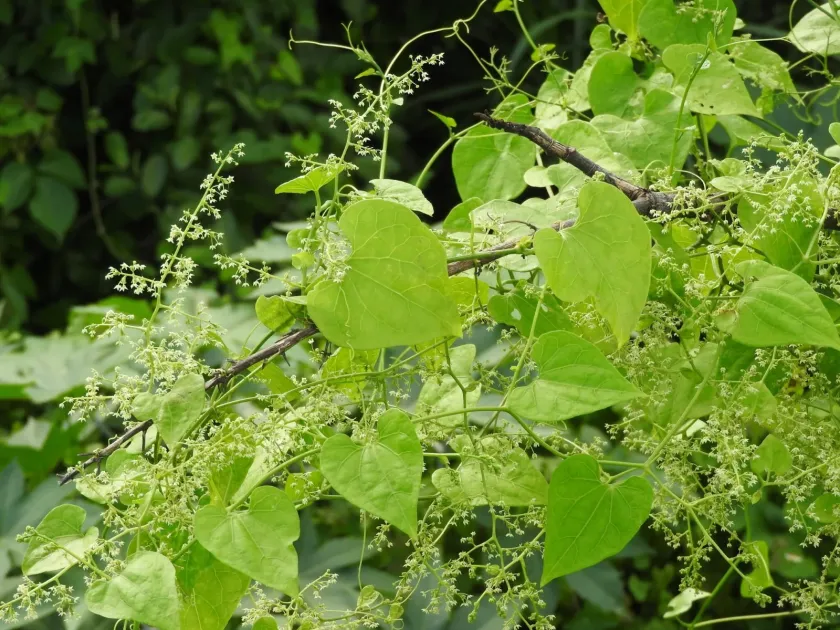
Description
Sowing dates
Sicydium tamnifolium is a perennial herbaceous vine belonging to the Cucurbitaceae family. In its natural habitat, reproduction occurs via seeds, which require a consistently warm and humid environment to germinate effectively.
In a controlled agricultural setting, seeds should be sown in greenhouses, as the plant is highly sensitive to cool temperatures. The ideal time for planting begins once the soil has warmed to at least 20-22 degrees Celsius.
For better results, seeds should be pre-treated with growth stimulants. A planting depth of 2-3 centimeters into a nutrient-rich, well-draining substrate ensures the best chances for the seedling to establish itself.
Spacing is a crucial factor for this fast-growing vine. Planters should allow enough room between plants to accommodate the rapid spread of the foliage and to prevent the plants from competing for sunlight and nutrients.
Starting the plants in peat pots and transplanting them after the last frost is the most efficient method. This minimizes transplant shock and allows the gardener to manage the initial growth stages of the plant effectively.
Growing requirements
This species requires high humidity and steady warmth to thrive, mirroring its tropical forest origins. It performs best in locations that offer partial shade and protection from harsh direct afternoon sun.
The soil should be rich in organic matter, loose in texture, and possess a neutral pH level. Effective drainage is essential, as the roots are sensitive to waterlogging and can quickly rot if left in saturated conditions.
The optimal temperature range for active growth is between 24 and 28 degrees Celsius during the day. Keeping temperatures consistent helps the plant maintain steady growth and prevents physiological stress.
As a robust vine, Sicydium tamnifolium requires a strong support system. Trellises, wire nets, or stakes are necessary to keep the foliage off the ground, which improves airflow and prevents the development of many common diseases.
Watering should be balanced and consistent. Drip irrigation is highly recommended to keep the soil moist without wetting the foliage, as moisture on the leaves can create a breeding ground for fungal pathogens.
Yield
Maximizing yield for this culture depends heavily on a balanced fertilization program. During the flowering and fruiting stages, the application of potassium-rich fertilizers is vital to support fruit development and quality.
Pruning is a necessary maintenance task for high productivity. By removing non-fruit-bearing side shoots, the plant can direct its energy into producing heavier and more uniform fruits, significantly increasing total output.
Harvesting should be performed continuously as fruits reach technical maturity. This practice prevents the plant from diverting resources into overly mature fruits and encourages the production of new ones.
Yield capacity is influenced by the quality of the support structures and the intensity of care. With proper pruning and pest control, a single healthy plant can produce a substantial amount of fruit over a long season.
The quality of the fruit is the primary metric for success. Proper care results in fruits that are both uniform in size and rich in the characteristic compounds that make this plant useful for various applications.
Main diseases and pests
Like most members of the Cucurbitaceae family, this vine is susceptible to powdery mildew and anthracnose. These diseases are most common in stagnant, humid environments where there is insufficient air movement.
Pests such as aphids and spider mites are frequent threats. These insects feed on the sap of the plant, weakening it and potentially vectoring viral diseases that can destroy the entire crop if not managed.
Integrated pest management, including the use of biological control agents and regular monitoring, is the preferred strategy. Avoiding synthetic pesticides helps keep the environment healthy and preserves the local insect population.
Removing weeds from around the base of the plant is vital, as weeds often act as hosts for both pests and fungal spores. Maintaining a clean growing area significantly reduces the pressure from these external threats.
Mulching is a great way to retain soil moisture while also acting as a physical barrier between the soil and the foliage, effectively reducing the risk of ground-borne pathogens reaching the lower leaves.
Harvesting
Harvesting is a manual process that requires care to avoid damaging the vine's delicate stems. Sharp pruning shears should be used to cut the fruits cleanly, leaving a small portion of the stalk attached.
The best time to harvest is during the early morning when temperatures are lower and the fruits are fully turgid. This practice ensures that the produce stays fresher for longer periods after being picked.
Once harvested, the fruits should be sorted carefully and cleaned of any surface soil. Because the skin is delicate, mechanical impact during transport should be minimized to prevent bruising and premature spoilage.
Storage should be in a cool, well-ventilated area away from direct sunlight. By avoiding humidity buildup in storage, the shelf life of the fruit can be extended, allowing for more flexible distribution and processing.
Whether for immediate market sale or further processing, keeping the fruits dry and cool is the most important factor in preserving their marketability and nutritional value after the harvest.