
Rytidostylis gracilis
Rytidostylis gracilis
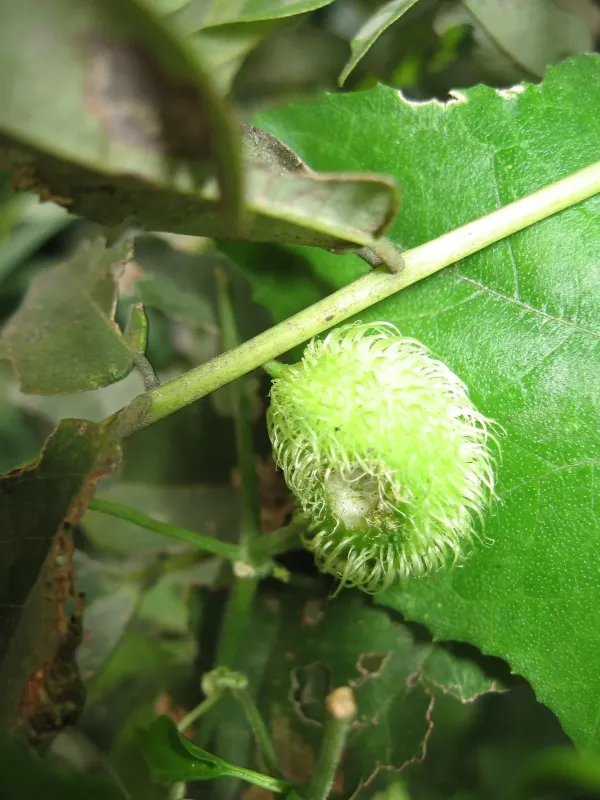
Description
Sowing dates
Rytidostylis gracilis is a heat-loving plant, and its sowing schedule is strictly dictated by regional climate conditions. In temperate zones, it is best to start seeds indoors in late March or early April to ensure a longer growing season.
Transplanting into the open field should only occur after all risks of frost have passed and soil temperatures have consistently risen. In many regions, this corresponds to late May or early June, when the plant can safely establish its root system.
Seeds should be sown at a depth of 2-3 centimeters in nutrient-rich, well-draining soil. Providing a stable temperature range of +22°C to +26°C is essential to ensure a high germination rate and strong early-stage growth.
When sowing directly outdoors in warmer climates, wait until the rainy season concludes to prevent the seeds from rotting in waterlogged soil. Proper spacing of 50-70 centimeters between plants is vital for future vine expansion.
Container-grown specimens require drainage holes and high-quality potting mix. Consistent moisture levels must be maintained during the germination period, although care should be taken not to overwater, which could lead to seedling damping-off.
Growing requirements
As a member of the Cucurbitaceae family, Rytidostylis gracilis is a vigorous climbing vine. It thrives in locations that receive full sunlight for the majority of the day and offers protection against strong, damaging winds.
The soil should be fertile, light, and possess excellent drainage capabilities. Loamy soils with a near-neutral pH are ideal, as they provide the necessary nutrients while preventing the water stagnation that can harm the roots.
Regular irrigation is crucial, particularly as the plant transitions into the flowering and fruiting phases. During hot weather, the frequency of watering may need to be increased to maintain consistent soil moisture levels and prevent flower drop.
Vertical support is an absolute necessity for this vine. Whether using trellises, wire meshes, or garden fences, providing a structure for the plants to climb allows for better air circulation and keeps the fruit off the damp soil surface.
Nutrient management involves applying nitrogen-based fertilizers in the early weeks for vegetative growth, followed by phosphorus and potassium applications to support fruit development. Organic matter, such as aged compost, provides a balanced baseline fertility.
Main diseases and pests
Powdery mildew is a common threat, particularly in environments with poor air circulation or high humidity. It manifests as a white, dusty fungal growth on the leaves, which can severely hinder the plant's photosynthetic capacity if left untreated.
Downy mildew may also affect the foliage, appearing as yellow-brown lesions. Managing this disease requires prompt removal of infected leaves and the application of appropriate fungicides to protect the remaining healthy vine sections.
Pests like aphids and spider mites can cause significant damage by feeding on young sap. These insects thrive in dry, hot conditions and require regular monitoring to catch infestations early before they spread across the entire planting area.
Root rot is typically associated with over-irrigation or planting in heavy, poorly drained soil. Preventive measures focus on soil preparation and ensuring that the water drainage is efficient, especially during periods of heavy rainfall.
Biological control methods, such as introducing beneficial insects, can be highly effective in managing minor pest infestations. Proper plant sanitation, including the removal of dead or rotting vines, is critical for maintaining overall crop health.