
Cyclanthera pedata
Cyclanthera pedata
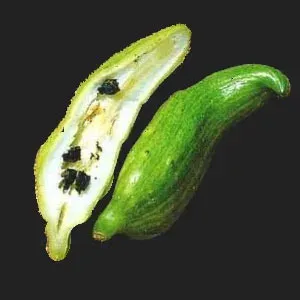
Description
Sowing dates
Cyclanthera pedata, also known as caigua, is an annual climbing vine belonging to the Cucurbitaceae family. It is typically started from seeds in greenhouses or indoors about 3 to 4 weeks before the last frost date to ensure a long growing season.
The seeds should be sown in individual pots with well-draining potting mix. Once the danger of frost has passed and the soil has warmed up to at least 15 degrees Celsius, the seedlings can be transplanted into their permanent outdoor locations.
Growing requirements
This crop thrives in warm climates and requires a sunny location to reach its full productive potential. It is sensitive to cold temperatures, so it should be protected from late spring frosts and chilly winds during the early stages of growth.
The soil must be fertile, well-draining, and rich in organic matter. A neutral to slightly acidic pH is ideal for nutrient absorption. Consistent moisture is crucial, but waterlogging should be strictly avoided to prevent root diseases.
Since the plant is a vigorous climber, providing strong vertical support like trellis, wire fences, or mesh is necessary. Proper pruning may also be required to manage the dense foliage and encourage better airflow through the vines.
Yield
The fruits, often called stuffing cucumbers, are harvested when they are young, tender, and measure about 5 to 10 centimeters long. Yields are typically high, with a single healthy plant producing a substantial amount of produce throughout the summer.
Main diseases and pests
Common issues include fungal infections such as powdery mildew, especially in humid conditions with poor ventilation. Pests like aphids and spider mites can infest the leaves during dry periods, often requiring biological control or regular monitoring.
Harvesting
Harvesting is an ongoing process that begins mid-summer and continues until the first autumn frost. It is important to pick the fruits before they become too large and the seeds inside harden, as this affects the overall taste and texture.